
Benefits of Choosing Professional Painters for Commercial Spaces
Revive Painting • May 15, 2024
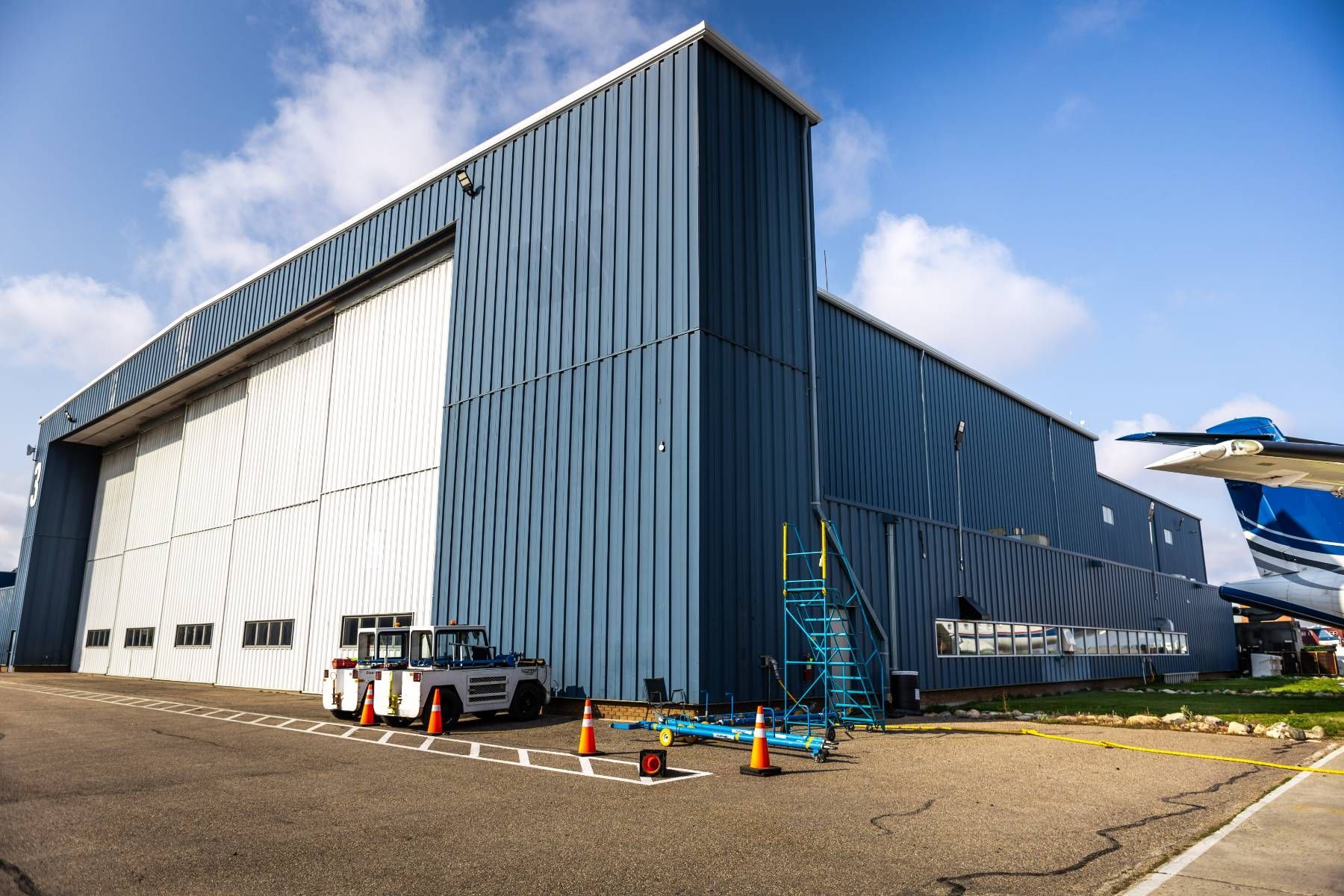
commercial warehouse freshly painted

In the realm of commercial spaces, aesthetics play a pivotal role in shaping customer perception and employee satisfaction. Whether it's an office, retail store, or any other commercial establishment in Saskatoon, the importance of a well-maintained and visually appealing environment cannot be overstated. One of the most effective ways to enhance the ambiance of commercial spaces is through professional painting services. In this blog post, we'll delve into the myriad benefits of choosing professional painters for your commercial painting needs.

Efficient Project Execution

Time is of the essence in the business world, and efficient project execution is crucial for minimizing disruptions to your operations. Professional painters bring a wealth of experience and expertise to the table, allowing them to complete commercial painting projects promptly and with precision. From thorough surface preparation to the final coat of paint, professionals ensure that every step of the process is executed seamlessly, saving you valuable time and resources.

Experienced Handling of Large Spaces

Commercial spaces often present unique challenges due to their size and complexity. From towering office buildings to sprawling retail outlets, painting such large spaces requires specialized equipment and techniques. Professional painters are well-equipped to handle these challenges, leveraging experience and knowledge to deliver exceptional results. Whether it's reaching high ceilings or navigating tight corners, experienced painters have the skills and tools necessary to tackle even the most daunting projects with ease.

Adherence to Safety Regulations

When it comes to safety, there's no room for compromise, especially in a commercial environment. Professional painters have the training and expertise to navigate the inherent risks of painting projects with finesse. Whether it's ensuring the stability of ladders and scaffolding or handling paints and chemicals with care, safety is always front and center. By opting for professionals, you're not just getting a fresh coat of paint; you're getting peace of mind knowing that every precaution is taken to protect both people and property throughout the entire process.

Consistent High-Quality Finishes

The quality of the paint job can make a significant impact on the overall appearance of your commercial space. Professional painters possess the skills and expertise needed to deliver consistent, high-quality finishes that enhance the aesthetic appeal of your property. Whether it's achieving smooth, even coats or ensuring crisp lines and edges, professionals pay meticulous attention to detail to achieve flawless results. Investing in professional painting services guarantees a superior finish that will impress clients, customers, and employees alike.

Access to Commercial-Grade Materials

When it comes to commercial painting, using the right materials can make all the difference in the final outcome. Professional painters have access to a wide range of high-quality, commercial-grade paints and coatings that are specifically formulated for use in commercial settings. These premium materials offer superior durability, coverage, and longevity compared to consumer-grade counterparts, ensuring that your investment in painting services pays off in the long run. By utilizing top-of-the-line products, professionals can achieve results that stand the test of time and maintain their vibrant appearance for years to come.

Minimal Disruption to Business Operations

Running a business is no easy feat, and the last thing you need is a major renovation throwing a wrench in your operations. Professional painters understand the importance of keeping disruptions to a minimum during commercial painting projects. With careful planning and efficient scheduling, painters can work around your business hours to ensure minimal interference to your daily activities. Whether it means working after hours, on weekends, or in phases to accommodate your workflow, professionals go above and beyond to keep your business running smoothly. So you can breathe easy knowing that your painting project won't disrupt your operations or hinder your productivity.

Comprehensive Preparation and Clean-up

When it comes to giving your commercial space a fresh coat of paint, the journey to a stunning finish begins long before the first brushstroke. Professional painters understand the importance of comprehensive preparation to ensure impeccable results. Painters meticulously inspect surfaces, addressing any imperfections through cleaning, sanding, and patching. This preparatory work lays the foundation for a flawless paint application, creating a smooth and uniform canvas that showcases the true beauty of your chosen colors. Throughout the painting process, professionals also take extra care to safeguard your furnishings and flooring, using protective coverings to prevent any accidental splatters or spills. Once the project is complete, our team doesn't simply pack up and leave – we conduct a thorough clean-up, removing all traces of paint debris and leaving your commercial space looking immaculate and refreshed.

Color Consultation and Design Expertise

Selecting the perfect colors and design elements for your commercial space can be a daunting task, but with the guidance of our experienced painters, it becomes a seamless and enjoyable process. We understand that color choice is about more than just aesthetics – it's about creating an environment that reflects your brand identity and resonates with your clientele. That's why professional painters offer comprehensive color consultation services, taking the time to understand your vision and objectives before making tailored recommendations. Whether you're aiming for a warm and inviting ambiance or a modern and sophisticated vibe, a professional painter leverages design expertise to bring your vision to life. With a keen eye for detail and a commitment to excellence, painters ensure that every color and design decision enhances the overall look and feel of your commercial space, leaving a lasting impression on visitors and customers alike.

Transform Your Commercial Space with Revive Painting: Experience the Benefits of Professional Painters Today!

Ready to transform your commercial space in Saskatoon with a fresh coat of paint? Don't settle for anything less than exceptional results. Choose Revive Painting for all your commercial painting needs. Our team of experienced painters is dedicated to delivering efficient project execution, consistent high-quality finishes, and minimal disruption to your business operations. Whether it's office painting, retail painting, or any other commercial project, we have the expertise and resources to exceed your expectations. Contact us today to schedule a consultation and take the first step toward enhancing the appearance and functionality of your commercial space.

painter painting with high performance coating
By Revive Painting March 31, 2026
Core Advantages of High Performance Coating in Painting High-performance coatings deliver measurable improvements over standard paint through engineered formulations that resist degradation from environmental stressors, mechanical wear, and chemical exposure. These coating systems extend surface lifespans while reducing maintenance frequency and associated costs. Superior Durability and Longevity High-performance coating systems provide extended service life that significantly outlasts conventional paint products. Where traditional paints require reapplication every 5-7 years, these advanced coatings maintain protective properties for 15-25 years or longer under comparable conditions. The enhanced longevity stems from specialized polymer structures and cross-linking mechanisms that resist cracking, peeling, and blistering. These coatings maintain adhesion to substrates even when exposed to temperature fluctuations, moisture cycling, and UV radiation. You gain reduced downtime for recoating projects when using high-performance coatings on industrial equipment and infrastructure. The formulations create denser, more uniform film layers that prevent moisture penetration and substrate degradation. This structural integrity means your painted surfaces retain both protective function and appearance throughout the coating's extended lifecycle. Corrosion and Chemical Resistance Performance coatings create barriers that protect metal substrates from oxidation and chemical attack in harsh environments. The molecular structure of these formulations prevents corrosive agents from reaching underlying surfaces, which is critical for equipment exposed to salts, acids, alkalis, and industrial chemicals. Your investment in corrosion-resistant coating systems prevents costly equipment failures and structural damage. Industrial facilities benefit particularly from these properties when processing or storing reactive substances. The chemical resistance allows surfaces to withstand repeated cleaning with aggressive solvents and maintain integrity during chemical spills. High-performance coating formulations incorporate corrosion inhibitors and create low-permeability films. These characteristics make them suitable for marine applications, chemical processing plants, and infrastructure exposed to de-icing salts. The protective layer remains stable even when substrate temperatures vary, preventing thermal stress that would compromise standard paint systems. Abrasion Resistance and Weather Protection These specialized coatings resist mechanical wear from particle impact, friction, and surface contact that would degrade conventional paint. The formulations contain hard ceramic particles or cross-linked polymer networks that deflect abrasive forces without film damage. Your surfaces maintain appearance and protection in high-traffic areas, manufacturing environments, and locations with airborne particulates. The abrasion resistance prevents coating thinning that exposes substrates to environmental damage. Weather protection extends beyond basic UV stability. High-performance coatings withstand extreme temperature ranges, rapid thermal cycling, and prolonged moisture exposure without losing adhesion or developing surface defects. They resist chalking and color fading that plague standard paints in outdoor applications. The coating systems maintain flexibility across temperature ranges, preventing the brittleness that leads to cracking in cold conditions while avoiding softening in high heat. Cost-Effectiveness for Long-Term Use The initial investment in high-performance coatings exceeds standard paint costs, but lifecycle analysis reveals substantial savings. You reduce recoating frequency, labor costs, and production interruptions over the coating's service life. Maintenance budgets decrease when coating systems require minimal touch-ups and deliver decades of protection. The reduction in substrate replacement costs—particularly for metal components protected from corrosion—adds significant value. Industrial operations benefit from decreased downtime since equipment remains in service longer between coating renewals. Your total cost of ownership drops when factoring reduced material consumption, fewer application cycles, and extended asset lifespans. The durability of these coating systems means less waste generation and lower environmental impact from repainting projects. Key Components and Types of High Performance Coatings High-performance coating systems consist of carefully selected components that work together to protect surfaces from corrosion, weathering, and chemical exposure. The primary elements include primers for adhesion and corrosion resistance , finish coats designed for specific environmental challenges, and specialized formulations like epoxies, polyurethanes, and fluoropolymers that deliver superior protection. Role of Primers in Modern Coating Systems Primers form the foundation of your coating system by creating a strong bond between the substrate and subsequent layers. They serve as the first line of defense against corrosion and ensure the entire system adheres properly to the surface. Key Functions of Primers: Promote adhesion to metal, concrete, or other substrates Provide corrosion resistance to extend maintenance cycles Create a uniform surface for intermediate and finish coats Zinc-rich primers offer exceptional corrosion protection for steel structures by providing cathodic protection. These primers contain high concentrations of zinc particles that sacrifice themselves to protect the underlying metal. Epoxy primers deliver outstanding adhesion and chemical resistance, making them ideal for industrial environments. Alkyd primers provide a simpler, more economical option for less demanding applications where ease of use is a priority. Finish Coats and High-Performance Finishes Your finish coat determines how well the coating system withstands specific environmental conditions over time. This top layer protects the primer and intermediate coats from direct exposure to sun, rain, chemicals, and physical wear. High-performance finishes are formulated to address particular challenges in your application environment. Aliphatic polyurethane finish coats maintain color stability and gloss retention under UV exposure. Fluoropolymer-based finishes resist extreme temperatures and chemical attack while requiring minimal maintenance. The finish coat must align with your exposure conditions to maximize system performance. Chemical-resistant finishes protect against acids, solvents, and harsh cleaning agents. Abrasion-resistant finishes withstand foot traffic and mechanical wear. Weather-resistant formulations endure the combined effects of moisture, temperature fluctuations, and UV radiation without degrading. Overview of Epoxy, Polyurethane, and Fluoropolymer Coatings Epoxy Coatings provide excellent adhesion, chemical resistance, and moisture barrier properties. You'll find them used extensively as primers, intermediate coats, and in some cases, finish coats for interior or immersion service. They offer outstanding protection against corrosion and chemical exposure but have limited UV resistance, which causes chalking and color fading in outdoor applications. Polyurethane Coatings excel in exterior environments where UV stability and color retention matter. Urethane coatings combine toughness with flexibility, allowing them to expand and contract with temperature changes without cracking. They resist abrasion better than many other coating types and maintain their appearance for extended periods. Fluoropolymer Coatings represent the premium option for extreme environments requiring maximum durability. These coatings withstand temperatures from -400°F to 500°F while providing exceptional chemical resistance and low-friction properties. Fluoropolymers require minimal maintenance and last significantly longer than conventional coatings, though they command higher initial costs. Best Practices and Applications for High Performance Coatings Proper surface preparation and strategic application methods determine coating performance more than any other factors. Industrial maintenance programs across sectors from marine to manufacturing rely on these specialized coatings to protect critical assets against corrosion, chemicals, and mechanical wear. Surface Preparation and Application Methods Surface preparation is the foundation of coating performance. You should remove all contaminants, rust, mill scale, and previous coatings before application. Abrasive blasting to SSPC-SP10 or ISO Sa 2.5 standards provides the optimal surface profile for maximum adhesion. The application method you select depends on the coating type and project requirements. Spray application offers fast coverage for large industrial surfaces. Brush and roller methods work better for smaller areas or touch-up work. You need to maintain proper film thickness throughout application, typically verified with wet film thickness gauges. Environmental conditions during application directly impact curing and final performance. You should apply most high performance coatings when surface temperatures are between 40°F and 100°F with relative humidity below 85%. Surface temperature must remain at least 5°F above the dew point to prevent moisture contamination during cure. Critical Application Parameters: Mixing ratios must follow manufacturer specifications exactly for multi-component systems Induction times allow proper chemical interaction before application begins Pot life determines how long mixed material remains usable Recoat windows specify timing between successive coats Industry-Specific Uses and Case Examples Marine environments demand coatings that resist saltwater corrosion and biological fouling. Ship hulls use specialized anti-fouling formulations that prevent marine organism attachment while maintaining structural integrity. Offshore platforms require coatings that withstand continuous saltwater spray and extreme temperature fluctuations. Chemical processing facilities need coatings with exceptional chemical resistance. Epoxy phenolic and vinyl ester systems protect tanks, piping, and containment structures from aggressive acids, solvents, and caustic materials. These coatings maintain barrier properties even under constant chemical exposure. Infrastructure projects including bridges and water treatment facilities use high performance coatings to extend service life by decades. The industry standard for bridge coating systems often involves zinc-rich primers, epoxy intermediates, and polyurethane topcoats. This three-coat system provides layered protection against moisture penetration and UV degradation. Power generation facilities apply thermal-resistant coatings to equipment operating at elevated temperatures. Stack linings and boiler components require formulations that maintain protective properties above 400°F. Sustainability and Environmental Considerations Modern high performance coatings increasingly use water-based formulations that reduce volatile organic compound emissions. These systems deliver equivalent protection while meeting stringent environmental regulations. You achieve both compliance and performance without compromise. The sustainability impact extends beyond initial application. By preventing premature asset replacement, these coatings reduce raw material consumption and manufacturing energy. A bridge coating system lasting 25 years eliminates multiple repainting cycles and their associated environmental costs. Low-VOC and zero-VOC options now exist for most industrial maintenance applications. You can specify compliant products without sacrificing corrosion resistance or durability. Many water-based epoxies and urethanes meet or exceed solvent-based predecessors in laboratory testing. Proper coating selection reduces waste through extended maintenance intervals. Ships with advanced anti-fouling coatings operate more efficiently, consuming less fuel per voyage. Industrial equipment protected by appropriate coatings requires fewer shutdowns for repair or replacement, improving operational efficiency while reducing environmental impact from manufacturing replacement components. Frequently Asked Questions High-performance coatings offer distinct protective qualities that address specific challenges in demanding environments. Understanding their advantages, application requirements, and selection criteria helps you make informed decisions for your projects. What are the main advantages of using high-performance coatings compared to standard paints? High-performance coatings are engineered with specialized formulations that provide superior protection against environmental stressors that would quickly degrade standard paints. They create robust barriers against moisture, chemicals, UV radiation, and temperature extremes. Standard paints are designed primarily for aesthetic purposes and offer minimal protection against corrosive elements or mechanical stress. High-performance coatings, by contrast, are formulated to maintain their protective properties for extended periods under challenging conditions. The durability of these advanced coatings reduces the frequency of reapplication and maintenance. This translates to lower long-term costs despite higher initial investment compared to conventional paint products. How do high-performance coatings improve durability against abrasion, impact, and everyday wear? These coatings incorporate specialized resins and additives that create harder, more resilient surface films. The molecular structure of high-performance formulations provides enhanced resistance to physical damage from machinery, foot traffic, and material handling equipment. Abrasion-resistant coatings maintain their integrity in high-traffic industrial environments where standard paints would wear through quickly. They protect substrates from scratching, chipping, and surface degradation that occurs from repeated contact and friction. Impact resistance is achieved through flexible yet tough coating systems that absorb and distribute mechanical stress. This prevents cracking, flaking, and delamination that typically results from dropped tools, equipment collisions, or heavy vibration. Which environments or applications benefit most from advanced protective coating systems? Manufacturing facilities, chemical processing plants, and refineries require coatings that withstand exposure to aggressive chemicals and extreme temperatures. These environments subject surfaces to corrosive substances, thermal cycling, and mechanical stress that quickly compromise standard paints. Marine and coastal structures face constant moisture exposure, salt spray, and UV radiation that accelerate corrosion. High-performance coatings designed for these conditions provide essential protection for metal and concrete surfaces. Warehouses, distribution centers, and commercial kitchens benefit from floor coatings that resist abrasion, chemical spills, and frequent cleaning with industrial-grade detergents. Transportation infrastructure, including bridges and parking structures, requires coatings that protect against weathering, freeze-thaw cycles, and chemical deicers. How do high-performance coatings enhance resistance to corrosion, chemicals, and moisture exposure? These coatings form impermeable barriers that prevent water, oxygen, and corrosive agents from reaching the substrate surface. The molecular density of properly applied high-performance coatings blocks moisture penetration that would otherwise initiate corrosion processes. Chemical-resistant formulations are engineered with specific resin systems that do not react with acids, alkalis, solvents, or other aggressive substances. Epoxy and polyurethane coatings offer excellent chemical resistance across a broad pH range. Moisture barrier properties are achieved through low permeability and strong adhesion to substrates. This prevents water from accumulating at the coating-substrate interface where corrosion typically initiates on metal surfaces. What factors should be considered when selecting a high-performance coating for a specific surface or substrate? Your substrate type determines the coating chemistry and primer requirements. Metal surfaces require different coating systems than concrete, wood, or composite materials due to varying surface energies and expansion characteristics. Environmental exposure conditions directly influence coating selection. You need to evaluate temperature ranges, chemical contact, UV exposure, humidity levels, and mechanical stress your coated surfaces will encounter. Performance requirements such as cure time, film thickness, and expected service life must align with your operational needs. Consider whether you require specific properties like fire resistance, antimicrobial protection, or static dissipation. Budget constraints and maintenance schedules affect your coating choice. Higher-performing systems with greater longevity may justify increased initial costs through reduced maintenance frequency and extended protection periods. What are the typical preparation, application, and curing requirements for long-lasting coating performance? Surface preparation is the most critical factor in coating performance. You must remove all contaminants, rust, previous coatings, and loose material through methods like abrasive blasting, grinding, or chemical cleaning appropriate to your substrate. Clean, dry surfaces with proper profile ensure mechanical adhesion of the coating system. Metal surfaces typically require surface roughness between 1.5 to 3.0 mils, while porous substrates like concrete may need filling or grinding to achieve uniform texture. Application conditions require controlled temperature and humidity ranges specified by the coating manufacturer. Most high-performance coatings perform best when applied between 50°F and 90°F with relative humidity below 85 percent. Film thickness must meet manufacturer specifications through proper application techniques. You achieve this through spray, roller, or brush application depending on the coating type and surface configuration. Curing time varies based on coating chemistry, environmental conditions, and film thickness. Epoxy coatings may require 24 to 72 hours before light traffic, while full chemical resistance often develops over 7 to 14 days. Moisture-cure urethanes and other specialized systems have different curing profiles that you must follow for optimal performance.
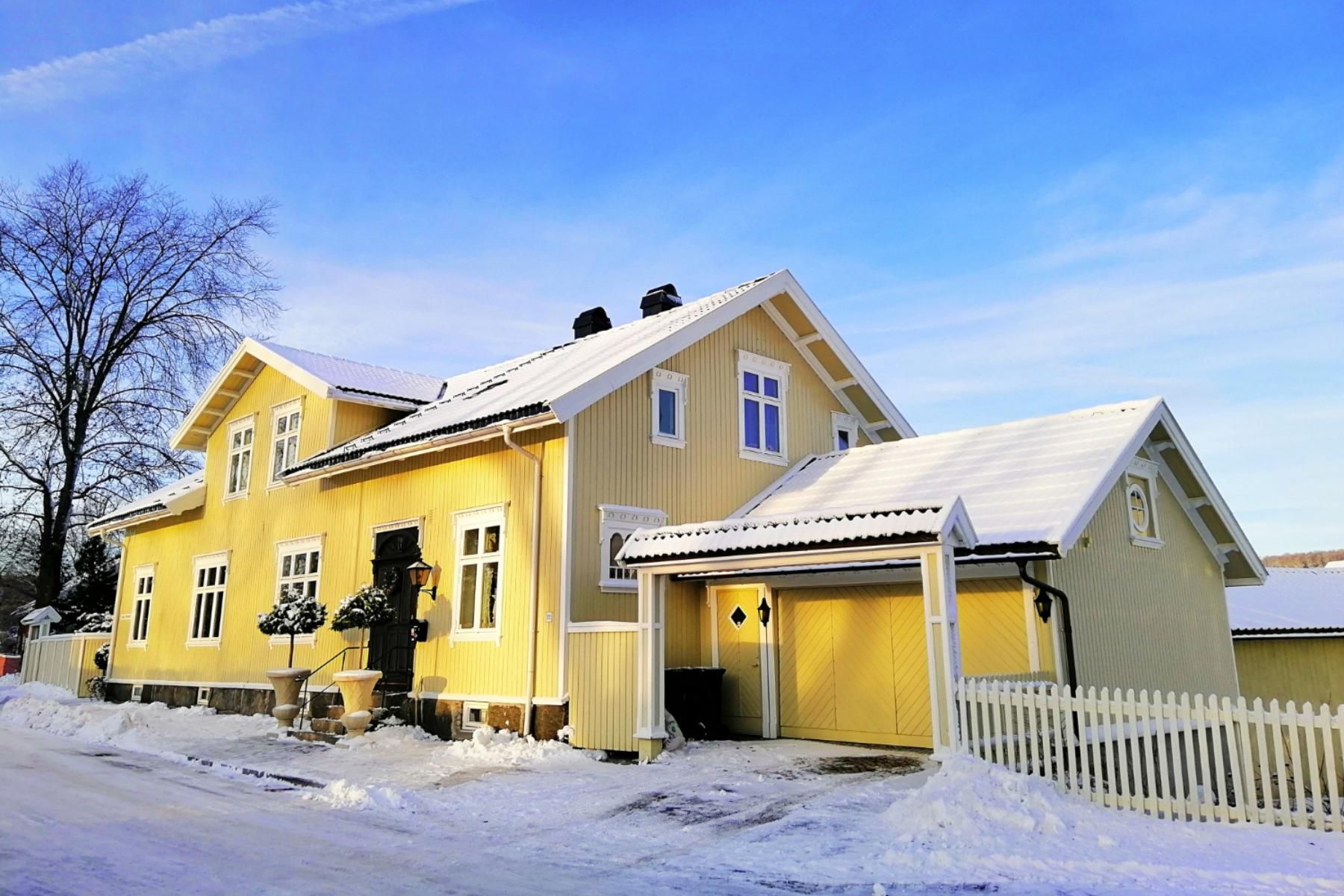
painting home before moving in
By Revive Painting March 19, 2026
Most new homeowners in Saskatoon face a choice after closing: unpack the moving truck or grab a paintbrush first. Professional painters agree that the second option makes more sense. We agree - painting your new home before moving in saves both time and money while delivering results that aren't possible once furniture fills the rooms. The reasons to paint a new house before hauling in your belongings start with pure efficiency. Without couches blocking walls or beds taking up floor space, painting contractors work faster and charge less for labor. According to real estate experts, homes with freshly painted interiors can increase their resale value by up to 5%. Painters can move freely from room to room and complete the job in fewer hours. They protect floors without navigating around your possessions. Health matters too. Some paints contain VOCs that irritate eyes and throat when breathed in for extended periods. Painting before you move into your new home lets these compounds escape on their own, so you walk into clean air instead of chemical odors. On top of that, there's no risk of paint splatters damaging furniture or appliances that aren't there yet. You won't face the headache of moving items twice or living around tarps and ladders. Should you paint a new construction house? The answer becomes obvious when you think over how much easier it is to personalize an empty space and start fresh in a home that already feels like yours. Practical Benefits of Painting an Empty Home Painting an empty space reveals why professionals complete these jobs 30 to 40 percent faster than furnished ones. Painters follow the proper sequence without obstacles: ceilings first to catch drips, then walls with full roller strokes, and trim to create clean lines. This order produces polished results that look professional rather than rushed. Preparation work shrinks when rooms sit vacant. Floors need simple covering instead of wrapping every piece of furniture in plastic. Ladders move freely to any spot without navigating around dressers or entertainment centers. Painters achieve even coverage across surfaces rather than skipping sections behind headboards or wardrobes, which happens often in occupied spaces. The quality difference shows. Paint serves as a protective barrier for walls and shields them from moisture, dust and daily wear. Applied to bare walls, this protection starts from day one in your new home. Painted surfaces also resist allergen buildup better than bare walls and become easier to clean and maintain over time. Empty house painting eliminates the risk of mistakes that get pricey. One slip with a roller near valuable furniture can erase any savings from delaying the project. Painting before moving in means settling into a space that looks fresh and feels complete, with walls ready to protect themselves for years ahead. How Painting Creates Your Ideal Living Space Color choices revolutionize bare walls into spaces that reflect who you are. Painting your new home before unpacking gives you control over every shade and finish. You won't need to work around existing furniture colors or feel rushed. Warm tones like reds and oranges create inviting, energetic atmospheres in social spaces. Cool tones such as blues and greens promote relaxation and calm in bedrooms. Neutral shades offer versatility and make rooms feel larger and more open. The way paint interacts with light changes how spaces function throughout the day. Lighter shades reflect more sunlight and make small rooms feel airy and spacious. Darker shades create intimacy and warmth in larger areas. This interplay between color and natural light improves ambiance and gives each corner unique character. A well-planned color scheme starts with paint and produces a unified esthetic in your new home. Complementary colors ensure flow from one room to another. This makes homes feel larger and more harmonious. Professional painting services understand how color choices influence mood. They can guide homeowners to select shades that improve daily living experiences. Painting before moving in lets you craft an environment suited for each room's purpose. You express your personality while tapping into the full potential of your new home. Financial and Long-Term Value Considerations Painting your new home before moving in delivers measurable financial returns that extend well beyond the original investment. Interior painting gets an impressive 107% ROI. A CAD 4876.76 painting project can add CAD 10094.89 to your home's resale value. These numbers make the decision less about esthetics and more about strategic home investment. The financial advantage starts with lower labor costs. Painters complete empty home projects faster and reduce the hours you pay for. Labor accounts for 75% to 95% of total painting costs, so any efficiency gains translate to substantial savings. High-quality paint requires a larger upfront investment but covers surfaces better and lasts longer. This eliminates the need for frequent repainting and reduces long-term maintenance expenses. Homes with professional paint jobs see value increases between 2% and 5%. This boost stems from the perception of proper maintenance and move-in readiness that fresh paint creates. Real estate professionals recommend repainting every three to five years to maintain optimal condition. Painting before moving in gives you a head start on that timeline. Interior painting done right can increase home value by up to 10% in some cases, especially when neutral colors appeal to future buyers and showcase your home's best features. A Fresh Start Walking into your newly painted Saskatoon home for the first time carries a distinct feeling that sets the tone for everything that follows. The previous owners' memories and daily routines were embedded in those walls, but a fresh coat of paint erases those remnants. Your new home transforms from someone else's former space into a blank canvas that belongs to you. Paint serves as more than decoration in this context. Studies show that newly painted properties boost optimism, inspiration, and creativity among occupants. The psychological effect runs deeper than esthetics alone. A renewed sense of space provides a mental lift right away and helps you shed the stress of moving. You can adopt your new chapter with clarity. Color psychology plays a role here too. Earth tones create grounding and calming effects, while naturals offer peace. Vibrant, saturated colors energize spaces and promote warm social atmospheres. When you choose these shades before moving in, your home reflects your goals and personality from day one rather than evolving over months of delayed projects. When you paint before unpacking, you create that move-in-ready vibe real estate professionals emphasize. You settle into a space that already feels finished, complete, and yours. This psychological foundation makes the transition smoother and helps reduce the feeling of being unsettled that often accompanies major life changes. Contact us to get started!