Crafting a Lasting Impression

Revive Painting • August 30, 2024
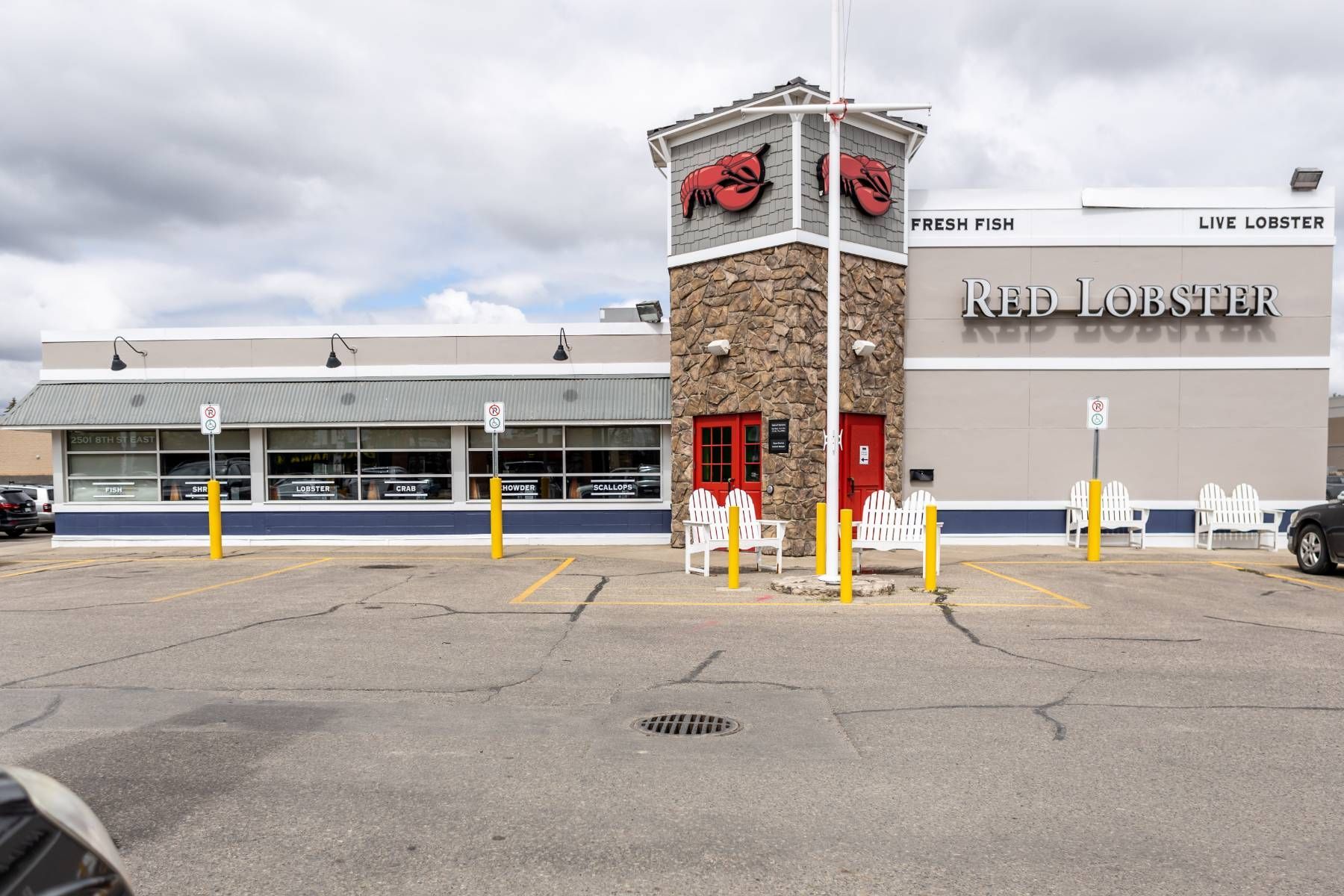
commercial paint job restaurant

When you think about our commercial painting business, what comes to mind? Maybe it's our meticulous attention to detail or our commitment to colors that transform spaces. But there's something else that serves as the linchpin of our success – branding. We believe that great branding does more than just make a business look good; it resonates with customers, builds trust, and ultimately drives success. In this blog, we’ll delve into why good branding makes us – your go-to commercial painting company – a better choice for your next project.


The Power of First Impressions


Imagine stepping into a room that's freshly painted, its walls radiating vibrancy and setting the mood. Now think about the logo of the company that did it – sleek, modern, and instantly recognizable. Just as our painting job leaves a lasting impression on a space, our branding does the same for our business.


First impressions matter. They set the tone for every interaction moving forward. From our logo design to our website layout, each element is thoughtfully curated to reflect the quality and professionalism that we promise in every brushstroke.


Building Trust Through Consistency


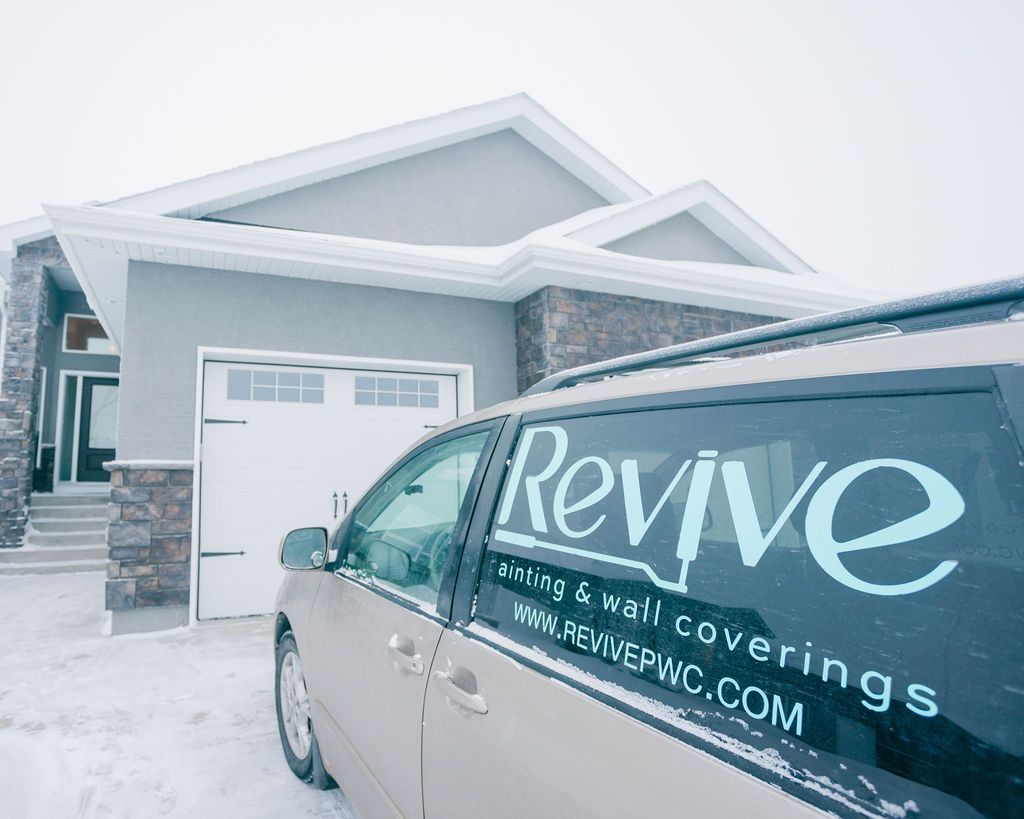
Consistency is key in not just painting but also in branding. When our branding is consistent across all touchpoints—be it our website, social media platforms, or even the uniforms our team wears—it sends a clear message: we are reliable, dedicated, and proficient. In a world where trust can be hard to come by, having a consistent brand can make our clients feel assured that they are making the right choice.


It's an Emotional Connection & More Than Just Paint on Walls


Color does more than brighten a room; it evokes emotion. Similarly, our branding aims to evoke positive feelings and build an emotional connection. We want you to feel excited about your project from the moment you discover us online to the time you see the final coat of paint drying. Good branding helps us to connect with you on an emotional level, ensuring that you feel more than just satisfaction—you feel joy and pride in choosing us.


Communicating Our Values


Good branding is like a silent ambassador; it speaks for us when words aren't enough. Through our carefully crafted brand elements – from the fonts we use to the imagery we choose – we communicate who we are and what we stand for. Our brand conveys that we are meticulous, passionate about what we do, and dedicated to transforming spaces with precision and care. This isn't merely about aesthetics; it's about sharing our core values with you.


Professionalism That Stands Out


In an industry as competitive as commercial painting, standing out is crucial. Our branding sets us apart in a saturated market by immediately signaling our professionalism and expertise. It tells potential clients that we are a cut above the rest, providing not just painting services but a full-fledged experience designed to deliver stunning results.


Creating Loyalty Through Memorable Experiences


Remembering a brand goes beyond just recalling a name; it involves recalling an experience. When you encounter our brand—whether through a business card or a completed project—you’re experiencing an ongoing narrative of quality and trustworthiness that makes you more likely to return and recommend us. Good branding fosters loyalty by making every client feel valued and each project feel like part of an ongoing story of excellence.


A well-painted room does much more than look good; it transforms spaces and impacts how people feel within them. Similarly, good branding does more than look appealing; it transforms perceptions and builds lasting relationships. With every stroke of paint and every element of our brand, we aim to create lasting impressions that speak volumes about the quality, trustworthiness, and professionalism you can expect from us.


So when you think of commercial painting, think of us—a brand committed not just to painting walls but to creating amazing experiences that leave a lasting impression. Let's transform your spaces together.


Feel inspired? Ready to start your next project? Contact us today!

Acrylic vs Latex Paint for interior
By Revive Painting December 7, 2025
Understanding the most important differences between acrylic and latex paint helps you make better decisions about painting your home. These paint types serve similar purposes, but their makeup affects how durable they are, how you apply them, and their final look. Learn about the best paint brands for your home . What is latex paint made of? Modern latex paint doesn't contain any natural rubber. The paint combines four key ingredients to create an emulsion. You'll find resins that act as binders, titanium dioxide for pigment, limestone as an extender, and water that works as a thinner. Today's latex paints use synthetic polymers—usually styrene-acrylic or vinyl-acrylic binders—instead of natural materials. Natural resins make up only 10% of latex paint, and synthetic materials account for the other 90%. The paint creates a protective polymer film as the water evaporates. This shield adds color and protection to your surfaces. The water-based formula makes latex paint eco-friendly with lower VOC levels than oil-based options. On top of that, it cleans up easily with soap and water, which makes it perfect to use in DIY projects. How acrylic paint is different in composition Acrylic paint has some things in common with latex paint but its formula is quite different. The standout feature of acrylic paint is its pure 100% acrylic resin without any cuts or dilution. The paint includes extra chemicals like plasticizers, silicone oils, and defoamers that you won't find in latex paints. Acrylic paint creates a tougher and more flexible film even though it's water-based. The chemicals in acrylic paint let it stretch and shrink better as temperatures change. This quality makes it a top choice for outdoor painting. The paint becomes water-resistant after it dries but stays flexible. These features make it great for surfaces that face moisture and weather changes. Common misconceptions about latex vs acrylic paint People often get confused about these paints because of some common myths: Acrylic paint is oil-based : Many people think acrylic paint is oil-based, but it's actually water-based. This mix-up happens because some people link "acrylic" with oil-based formulas. Latex contains natural rubber : The name might fool you, but modern latex paint has no natural rubber latex in it. They are completely different : Both types of paint use acrylic polymers as binders—the real difference lies in how much they use and what else goes into the mix. All exterior paint must be acrylic : Acrylic works great outdoors, but some brands now offer outdoor latex paint loaded with extra acrylic resin. These differences can help you pick the right paint that works best for your project and surface needs. Key Differences Between Latex and Acrylic Paint You need to understand the basic differences between acrylic and latex paint to make the right choice. Both types have their own strengths that work better for different projects and conditions. Drying time and workability Latex paint dries quickly - you can touch it after just one to two hours and add another coat the same day if conditions are right. Acrylic paint takes longer, needing four to six hours between coats because of its thicker resin. Both paints take 14 to 30 days to cure fully. The quick-drying latex works great for big indoor projects where time matters. Acrylic's slower drying time lets you work longer on detailed painting tasks. Durability and resistance to wear Acrylic paint lasts longer than latex. You can expect it to last anywhere from two to 15 years while latex typically holds up for two to 10 years. Dry acrylic paint resists water, mold, and UV rays better. The paint's chemical makeup creates a tough yet flexible finish that stands up to harsh weather - perfect for outdoor surfaces. Latex paint works well indoors but chips and peels more easily, especially in damp areas. VOC levels and environmental impact Latex paint has fewer volatile organic compounds (VOCs) than acrylic. This makes latex a safer choice for indoor spaces, especially rooms with poor airflow or where kids and pets spend time. Safe paints should have VOC levels under 50 g/L, though sensitive people should look for levels below 10 g/L. While acrylic has more VOCs, its durability means you won't paint as often. Finish quality and color retention Acrylic paint keeps its vibrant colors longer and looks better under direct sunlight. UV-resistant properties help prevent the fading that often happens with latex paint. Acrylic creates smoother finishes that hide brush strokes better, though it takes more skill to apply. Latex paint goes on easier but shows more brush marks because it dries so quickly. Elasticity and surface flexibility Acrylic paint can stretch and shrink with temperature changes without cracking or peeling. This makes it ideal for exterior wood and places with changing weather like Saskatoon. Latex offers some flexibility but can't match acrylic's adaptability. This often leads to early failure on surfaces that expand and contract. That's why acrylic remains the top choice for outdoor projects or areas with big temperature swings. Choosing the Right Paint for Your Surface Picking the right paint for each surface in your home will give you the best grip, life span, and looks. Acrylic and latex paints each work better in different places, based on the environment and what the surface needs. Acrylic vs latex paint for interior walls Both paint types work great on interior walls - your choice depends on the room's use and your budget. Latex paint is perfect for low-traffic areas like guest bedrooms and formal living spaces since these rooms don't need the extra durability that costlier acrylics provide. But acrylic paint stands out as the better choice for busy areas like hallways and family rooms where walls get touched and scuffed often. Pure acrylic resins bond more strongly to create a tougher finish that won't peel or detach easily over time. When to use latex paint on ceilings and drywall Latex formulations work great on ceilings and drywall, especially when you have specific needs. Ceiling-specific latex paints have a super-flat finish that cuts down light reflections and hides small surface flaws, creating a smooth, even look. Latex paint's flexibility lets it stretch without cracking on drywall that moves slightly with temperature changes. Many ceiling paints can self-prime and look great with fewer coats than regular paints - perfect if you're watching your budget. Best surfaces for acrylic paint Acrylic paint really shines on exterior surfaces, aluminum siding, and areas that get wet often. Once it dries, its excellent water resistance makes it the best choice for bathrooms, kitchens, and laundry rooms where humidity runs high. Pure acrylic paint also gives unmatched toughness outdoors - it handles sun, rain, and temperature swings without fading, cracking, or peeling. It also expands and contracts naturally, making it perfect for garages, sheds, and poorly insulated spaces that see big temperature changes. How surface prep affects paint performance Proper surface preparation determines how long your paint will last, whatever type you choose. About 80% of coating failures happen because surfaces weren't prepared right, which hurts paint adhesion. Your surfaces need to be clean, dry, and free of mildew, oil, dust, and loose paint before you start. Match your prep method to both the surface material and paint system - concrete surfaces need extra attention to moisture and pH levels before painting. Practical Considerations Before You Buy Your paint selection should go beyond technical specs and focus on practical factors like cost and maintenance. These factors will determine how valuable your painting investment becomes over time. Budget and long-term maintenance Latex paint comes with a lower price tag upfront, ranging from CAD 20.90 to CAD 83.60 per gallon. Acrylic paint costs more, with prices between CAD 27.87 and CAD 111.47 per gallon. The higher cost of acrylic might make sense for high-traffic areas or exterior surfaces due to its better durability. Latex paints last 2-10 years while acrylic can stay fresh for up to 15 years. This longer lifespan helps balance out the original price difference. Ease of cleanup and reapplication Latex paint makes cleanup simple - you just need soap and water to wash brushes and equipment. Acrylic paint follows similar cleanup steps but needs quicker attention since it sticks harder once dry. Latex paint gives you more room for error and lets you fix mistakes with a damp cloth even after it starts drying. Paint availability in Saskatoon Saskatoon's major retailers like Sherwin-Williams, Benjamin Moore, Cloverdale Paint, and Behr stock detailed paint selections. Each store provides different price points and special formulas that work well with our local weather conditions. Working with a professional painting contractor Professional painters are a great way to get guidance on paint selection based on your needs. Before hiring them, ask about their prep methods, protection practices, and if they help choose paint. Working with pros usually leads to better results through proper surface prep and application techniques that maximize paint performance whatever type you pick. What's the Best From Our Point of view? Choosing between acrylic and latex paint can be tricky for beginners. Painting professionals are a great way to get advice that fits your project needs. These experts know all about paint formulas, how to apply them, and surface prep - things most DIY fans haven't mastered yet. Their guidance helps you avoid mistakes that can get pricey and gets you the best results for your home projects. Saskatoon's weather makes local expertise really valuable. The city sees big swings in temperature through the seasons, so you need the right paint to handle it. Local painting contractors know exactly how the climate affects paint performance. They can point you to products that work well with Saskatoon's tough weather conditions. This means your paint job lasts longer, whether you pick acrylic or latex. Professional advice gives you access to color matching and special application techniques. Most homeowners see that pros get a better finish because they have the right skills and tools. Even if you plan to paint by yourself, talking to experts first helps you learn about latex and acrylic paint differences. Getting professional advice pays off with better durability, looks, and a paint job you'll love. Key Takeaways Understanding the differences between acrylic and latex paint helps you make informed decisions that save money and deliver better results for your specific project needs. • Acrylic paint offers superior durability lasting 2-15 years versus latex's 2-10 years, making it ideal for high-traffic areas and exterior surfaces despite higher upfront costs. • Latex paint provides better value for interior projects with lower VOC levels, easier cleanup, and faster drying times perfect for bedrooms, ceilings, and low-traffic spaces. • Surface selection determines paint choice - use acrylic for moisture-prone areas like bathrooms and exteriors, while latex works excellently for drywall and interior walls. • Proper surface preparation accounts for 80% of paint success regardless of type chosen, making cleaning and priming more critical than paint selection alone. • Climate considerations matter in Saskatoon where temperature fluctuations favor acrylic's flexibility for exteriors, while latex remains suitable for climate-controlled interiors. The key to successful painting lies in matching paint type to your specific surface, budget, and environmental conditions rather than assuming one type fits all applications.
The Best Paint Brands For Your Home in 2025
By Revive Painting November 28, 2025
Paint can boost your home's value by 2 to 5 percent - it's more than just a color change on your walls. Our team of professional painters in Saskatoon knows how overwhelming paint selection can be. Paint technology has improved substantially in the last decade. Modern formulations now last well beyond a decade, unlike their predecessors that cracked and faded within five years. Price and performance create a vital relationship when picking paint for your Saskatoon home. Interior paint prices jumped 21 percent between January 2020 and January 2022. Exterior paint costs rose even higher at 30 percent. Our unique experience shows that cost doesn't always match performance. Many mid-range options deliver results that match premium brands. Your interior projects need paints that are durable and offer excellent coverage. They should have low odor and beautiful finishes that handle Saskatoon's dry winter indoor conditions. Benjamin Moore stands out as a premium brand with superior coverage and smooth finishes. Their Regal Select line works great in bathrooms and kitchens because it resists mildew. Sherwin-Williams, valued at USD7.6 billion, remains prominent among professionals. Professionals love it for both interior and exterior jobs because it resists stains and protects against fading. Saskatoon's dramatic temperature changes make exterior paint selection a vital decision. Here's a pro tip: outdoor temperatures should be at least 50°F when you paint outside. Nighttime temperatures shouldn't drop below 32°F. This helps prevent dew from forming on fresh paint that could lead to cracking and shorter life spans. Low-wind conditions will give you an even application and keep debris off wet surfaces. Looks matter but practical features deserve attention too. Quality paints need less maintenance because they resist chipping and fading. This keeps more money in your pocket while your Saskatoon home stays fresh longer. Quality shows in how paint spreads on walls and covers previous colors with fewer coats. The best options resist fading through Saskatchewan's intense summers and harsh winters. Top-tier paints glide smoothly from start to finish and cover dark shades effectively. Understanding Your Home’s Painting Needs Paint selection goes beyond picking your favorite color from a swatch. We tell our Saskatoon clients that knowing what each area of your home needs helps choose paint brands that will last. Interior vs exterior: what changes? Interior and exterior paints have different formulations to tackle their unique challenges. Interior paint brands excel at resisting scuffs, washing easily, and keeping indoor air healthy with low VOC emissions. Top brands like Benjamin Moore and Sherwin-Williams make products that stand up to daily indoor life and keep their color looking fresh. Exterior paints work differently. They resist weather, block UV rays, and flex with temperature changes. Quality exterior paint brands pack in extra binding agents and fight mildew better than interior versions. These special ingredients make quality exterior paints cost 15-20% more than interior ones. Climate considerations in Saskatoon Paint faces tough challenges in Saskatoon's climate. Summer UV rays can make cheaper paints fade and break down. Winter's extreme cold makes exterior surfaces expand and contract. Our region's exterior jobs do best with alkyd or acrylic-latex blends from brands that work well in extreme temperatures. These paints stay strong through Saskatoon's wild swings from -40°C winters to +30°C summers. On top of that, our dry climate means moisture resistance matters but isn't as crucial as in humid areas. Foot traffic, moisture, and sunlight exposure Different areas of your home face different stresses. High-traffic zones like hallways and living rooms do better with paints that resist scuffs and clean easily. Hallways usually need fresh paint twice as often as bedrooms if you don't use the right formula. Bathrooms and kitchens just need paint brands that fight mold and mildew effectively. Benjamin Moore's Aura Bath & Spa and Sherwin-Williams' Duration Home work great in these spaces. They handle moisture while keeping their color bright. Rooms with lots of natural light do better with UV-resistant paint brands to avoid fading. South and west-facing rooms especially benefit from premium brands with UV stabilizers. These prevent that washed-out look that shows up after just a few years. Types of Paints and Their Best Uses Knowing about different types of paint will help you get the best results for your Saskatoon home. Each type works best for specific purposes and offers unique benefits based on what you're trying to do. Latex vs oil-based: what's the difference? Latex paints, which are water-based, have grown by a lot in popularity since they first appeared in 1941. These days, about 80% of home painting uses latex-based products. These paints flex really well over time to prevent cracking and chipping. They don't yellow in areas away from sunlight and don't smell as much. Latex paints also dry much faster than oil-based ones and you can clean them up with just water. Oil-based (also called alkyd) paints cover better in one coat and stick better to surfaces that aren't really clean. You get more time to work with them, which helps create smoother finishes, and once they dry, they're super resistant to wear and tear. The downside is they smell stronger, have higher VOCs, need solvents to clean up, and turn yellow as time passes. When to use alkyd or epoxy paints Alkyd paints are great all-purpose workhorses. You don't need special training or complex mixing since they come ready to use. These paints are economical solutions for Saskatoon exteriors that don't face tough conditions, giving you decent durability and protection from weather. Epoxy paints are the toughest option out there for serious applications. They come as two-part systems - a resin base and hardener that create an unmatched tough film. This film stands up to wear, impacts, seawater, and chemicals of all types. Epoxies work great in high-traffic spots or anywhere you need maximum protection, but you'll need to prep the surface perfectly—usually to Sa2.5 blast cleaning standard. Choosing the right finish: matte, satin, or gloss Your choice of finish changes both how things look and how they work. Flat or matte finishes soak up light instead of bouncing it back, which creates a smooth, velvety look that hides wall flaws really well. These low-sheen options look amazing in adult bedrooms and formal living areas. Satin finishes give you a pearl-like shine that's really durable, which makes them perfect for kitchens, bathrooms, and kids' rooms. They resist moisture and clean up easily, so they're a great pick for busy areas in Saskatoon homes. Semi-gloss and high-gloss finishes are the most durable and resist moisture the best. They reflect light in a way that makes architectural details pop, so they're perfect for trim, doors, and cabinets. Just remember that shiny paints show every little flaw, so you'll need to prep surfaces carefully before painting. Top Paint Brands for Interior and Exterior Projects Our extensive testing and numerous applications in Saskatoon homes have revealed several outstanding paint brands that deliver excellent results whatever the project size. Benjamin Moore: premium quality and color depth Benjamin Moore's ultra-premium Aura Interior paint leads their product line and provides rich colors through their unique Gennex Color Technology. The company sells only through independent retailers to support local businesses instead of big box stores. Our high-end clients love their Regal Select line because it covers well and applies smoothly. Most new clients are amazed by how the paint self-primes and flows better, which creates perfect finishes even under Saskatoon's tricky lighting. Sherwin-Williams: wide availability and durability Sherwin-Williams stands out in projects that need lasting durability. Their top-of-the-line Emerald paint costs CAD 118.44 per gallon and washes incredibly well. The Duration paint line (CAD 111.47/gallon) works great in damp areas because it contains antimicrobial agents and fights stains effectively. Over the last several years of working with Saskatoon homes, we've found their wide color selection perfect for heritage restoration projects. Behr: budget-friendly with solid performance Behr offers amazing value for budget-conscious homeowners. Their Premium Plus line begins at CAD 46.18 and still delivers great durability and stain resistance. The 2025 Consumer Reports gave impressive scores to Behr's products - Dynasty, Marquee, and Ultra scored 96, 95, and 93 for coverage and stain resistance. These paints give you quality without breaking the bank. PPG: fast-drying and stain-resistant PPG's Break-Through! formula really shines in special projects that need quick drying times. This waterborne acrylic enamel sticks exceptionally well to tough surfaces like fiberglass, ceramic tile, and architectural plastics. We've found few products that match PPG's toughness and durability for cabinet refinishing in Saskatoon homes. Clare: modern, eco-conscious option Environmentally mindful clients love Clare's zero-VOC formulas. Each product goes through yearly testing for more than 360 VOCs and harmful chemicals to keep its GREENGUARD Gold certification. At CAD 90.55 per gallon, Clare gives you both beautiful esthetics and better indoor air quality - something that matters a lot during Saskatoon's long winters when homes stay closed up. What to Consider Before Buying Paint in 2025 Professional Saskatoon painters like us know that picking the right paint goes beyond just brand names. Your family's health and safety comes first when making this choice. VOC levels and health impact Paint contains volatile organic compounds (VOCs) that can be really harmful. Indoor VOC levels usually measure 2 to 5 times higher than outdoor levels. Right after painting, these levels can jump to 1,000 times the normal amount. People exposed to VOCs often get headaches, feel dizzy, have breathing problems, and might face long-term organ damage. The good news is that many modern paints now come in low-VOC (under 50g/L for flat paints) or zero-VOC (under 5g/L) options. These options will help keep your Saskatoon home's indoor air quality much safer. Color matching and sample testing You should test paint samples on your walls before buying full gallons. Colors look different as lighting changes throughout the day. Big paint brands now have cool online tools where you can upload photos of your room to see how colors might look. Just remember that these digital tools aren't perfect because every screen shows colors differently. That's why testing actual paint samples on your walls is still the best way to be sure about colors. Where to buy paint in Saskatoon Sherwin-Williams has dedicated paint stores in Saskatoon with great products and supplies. Cloverdale Paint sells Canadian-made options that help local families and boost our economy. Home Depot and Home Hardware give you more choices at competitive prices. Cost vs coverage: finding value A good paint typically covers 350-400 square feet per gallon. Look beyond just the price tag and use manufacturers' online paint calculators to figure out your total project needs. Premium paints might cost more upfront, but they often save you money through better coverage and lasting longer.  FAQs