Professional Inside and Out

Revive Painting • July 9, 2024
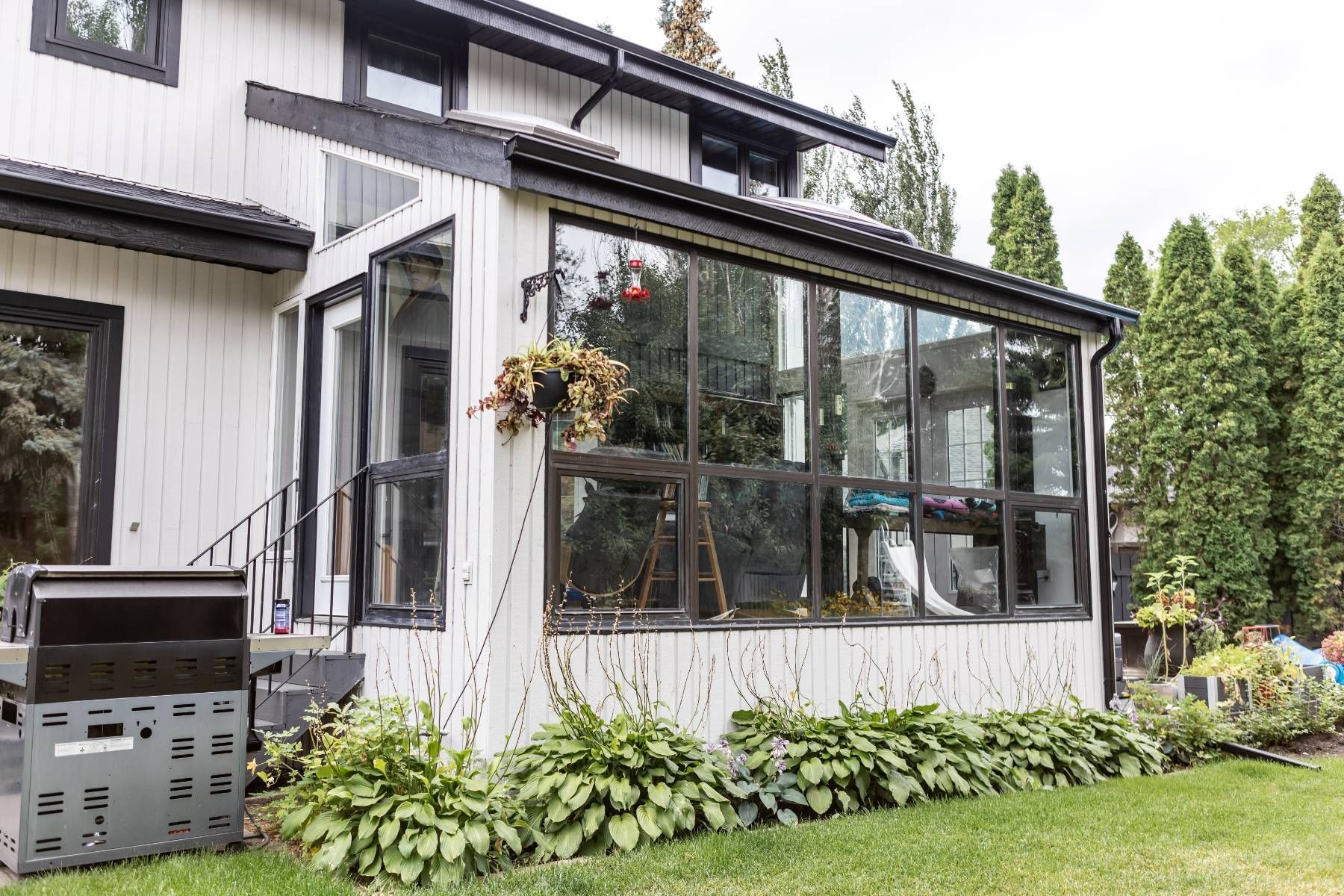
professional exterior paint job outside Saskatoon

When it comes to making your house truly shine, painting is one of the most effective ways to refresh both the interior and exterior. Professional painting not only enhances the look of your home but also adds value and longevity. Whether you’re aiming to boost curb appeal or create a cozy and inviting interior, expert painters can transform your space with skill and precision. Let’s delve into the world of painting and explore how it can elevate your home inside and out.

Enhancing Your Home's Overall Appeal with Expert Exterior Painting

Your home's exterior is the first thing people see, and a fresh coat of paint can make all the difference. Expert exterior painting can enhance your house's overall appeal by highlighting its architectural features and ensuring it stands out in the neighborhood. Professional painters know how to choose the right colors and finishes that complement your home's style and the surrounding environment. We use techniques that ensure an even application and smooth finish, which can be challenging to achieve on your own.

Moreover, expert painters understand the importance of surface preparation. We meticulously clean, scrape, and prime surfaces to ensure the paint adheres properly and lasts longer. This level of detail not only improves the appearance but also provides a protective barrier against the elements, preserving your home's exterior for years to come.

Seamless Color Transitions from Interior to Exterior Spaces

Creating a seamless color transition from your interior to your exterior spaces can unify your home's overall look and feel. This approach involves selecting colors that harmonize well with both the inside and outside of your house, creating a cohesive flow. Professional painters excel in choosing palettes that complement each other and enhance the visual connection between different areas.

In addition to color selection, expert painters pay attention to the subtleties of lighting and how it affects the perception of color. We consider the way natural and artificial light interacts with various shades, ensuring that the transitions are smooth and aesthetically pleasing.

Weather-Resistant Exterior Paint Solutions

Choosing weather-resistant paint solutions for your home's exterior is crucial for maintaining its beauty and integrity. Our professional painters in Saskatoon are well-versed in the latest advancements in paint technology, offering options that withstand harsh weather conditions. These high-quality paints are formulated to resist fading, cracking, and peeling, ensuring your house looks vibrant and well-maintained year after year.

Weather-resistant paints also provide a protective layer that shields your home from moisture, UV rays, and temperature fluctuations. This added protection helps prevent damage such as mold growth, wood rot, and structural deterioration.

Customized Interior Paint Schemes for Personalized Spaces

Your home's interior should reflect your personality and style, and customized paint schemes can help achieve that. Professional painters work closely with you to understand your preferences and design a color palette that suits your taste. Whether you prefer bold and vibrant hues or soft and calming tones, we can create a personalized space that resonates with you and your family.

Custom interior paint schemes go beyond just color selection. Professional painters consider the layout, lighting, and function of each room to ensure the chosen colors enhance the overall aesthetic and ambiance. We also offer expert advice on accent walls, trim details, and finishes that add character and depth to your spaces.

Long-Term Durability with Professional Exterior Coatings

Investing in professional exterior coatings ensures long-term durability and protection for your home. These high-performance coatings are designed to withstand the rigors of outdoor exposure, offering superior resistance to wear and tear. Expert painters apply these coatings with precision, ensuring complete coverage and optimal adhesion, which is essential for long-lasting results.

Professional exterior coatings also come with additional benefits such as increased energy efficiency and improved curb appeal. Reflective coatings, for example, can help reduce heat absorption, keeping your home cooler during hot weather and potentially lowering energy costs. With the right exterior coatings, you can enhance the durability and functionality of your home while maintaining a pristine appearance.

Indoor Air Quality Benefits of Premium Interior Paints

When it comes to painting your interior spaces, choosing premium paints can significantly impact indoor air quality. High-quality paints are formulated with low levels of volatile organic compounds (VOCs), which are harmful chemicals that can evaporate into the air and affect health. Expert painters recommend and use low-VOC or zero-VOC paints to ensure a healthier living environment for you and your family.

Premium interior paints also offer better coverage and durability, reducing the need for frequent repainting. This means fewer disruptions and less exposure to paint fumes over time. Additionally, these paints are easier to clean and maintain, helping to keep your home looking fresh and vibrant.

Enhancing Property Value Through Comprehensive Painting

A freshly painted house not only looks more appealing but also signals to potential buyers that the property has been well-maintained. Exterior and interior painting can yield a high return on investment by boosting curb appeal and making the interior spaces more attractive and inviting. Neutral and modern color schemes, in particular, tend to appeal to a broader range of buyers.

By investing in comprehensive painting services, you can increase the marketability and value of your home, making it a smart choice for homeowners looking to sell or simply enhance their living environment.

Professional Techniques for Flawless Interior Finishes

Achieving flawless interior finishes requires a combination of skill, experience, and attention to detail. Professional painters utilize advanced techniques and tools to ensure a smooth and even application, resulting in a pristine finish. From cutting in around edges to rolling large surfaces, we have mastered the art of painting to deliver impeccable results.

Preparation is key to a flawless finish. Expert painters meticulously prep the surfaces by filling holes, sanding rough areas, and priming where necessary. We also take care to protect your furnishings and floors, ensuring a clean and tidy work environment. With professional techniques and a commitment to quality, we can transform your interior spaces with finishes that are not only beautiful but also durable and long-lasting.

Transform Your Home Inside and Out with Revive Painting

Transform your home and make it the envy of the neighborhood. At Revive Painting, we specialize in both interior painting and exterior painting to refresh and rejuvenate every inch of your house. Our team of expert painters is dedicated to providing top-notch service and stunning results that last. Don’t settle for a dull, tired look when you can have a vibrant, welcoming home that truly stands out. Whether you're looking to update your living spaces with a new color scheme or enhance your curb appeal with a fresh coat of paint, we've got you covered. Let us bring your vision to life and give your home the makeover it deserves. Contact us today to get started on your painting project and experience the Revive Painting difference.
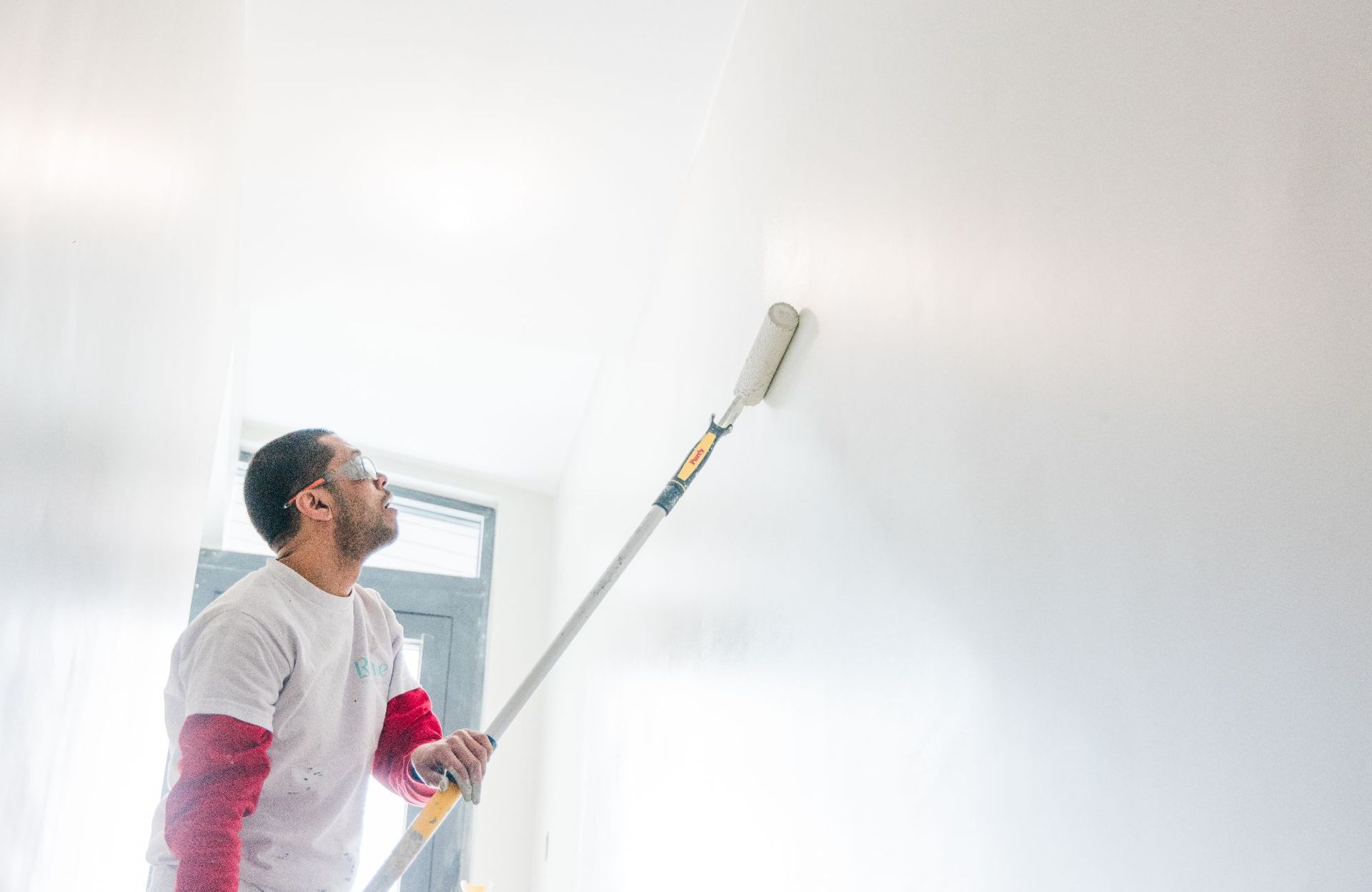
interior painting eggshell white
By Revive Painting May 20, 2026
High-Impact Paint Colours That Raise Property Value Turns out, according to recent buyer data , people are leaning toward deeper, richer paint colours over the usual light neutrals—especially when it comes to resale value. Picking the right colours for the right rooms can actually bump your home's sale price up by thousands in Saskatoon’s wild market. Nature-Inspired and Trend-Driven Hues Right now, dark olive green is stealing the spotlight in kitchens. Buyers are apparently willing to cough up as much as $1,597 more for homes with muted green cabinets. It fits this whole organic modern vibe—think natural colours and sustainable touches that just feel right. Meanwhile, navy blue is making bedrooms and other spaces feel like a calm retreat. It’s modern, but it doesn’t try too hard. And then there’s charcoal gray —still the go-to for living rooms, and it could add up to $2,593 to your home’s value. Not too shabby, right? These richer tones work because they’re personal but not polarizing. They’re a big step up from stark whites or builder beige —they just feel more intentional. If you’re not feeling bold, greige or warm whites are solid options too. They’re safe, but not boring. Honestly, the trick is to pick colours that bring out the best in your home’s architecture and still appeal to Saskatoon buyers—especially those who love that blend of modern design and natural elements. Room-Specific Colour Recommendations It’s smart to have a colour game plan for each room. Here’s what seems to work: Kitchens : Olive green—on cabinets or as an accent—gets the most love. Any muted green here can turn an outdated kitchen into something buyers actually get excited about. Bedrooms : Navy blue walls are a winner, apparently adding around $1,815 to sale prices. It just makes the space feel restful and a bit luxurious—who wouldn’t want that? Living Rooms : Charcoal gray is still the favourite. It’s versatile, goes with almost any furniture, and adds a bit of drama without being overwhelming. Bathrooms : Mid-tone browns like mocha are surprisingly popular. They give off that spa vibe—warm, earthy, and just a bit upscale. Buyers seem to eat that up. Every room’s got its own vibe, so your colours should play to that. But you still want things to flow together—nothing too jarring from one space to the next. Avoiding Colours That Lower Value Some colours? Just don’t. Daisy yellow in kitchens is a hard no—buyers will actually offer $3,915 less if they see it. Same deal in living rooms, where it can drop your value by $3,891. Fire hydrant red is another one to avoid. A red living room might cost you $1,820, and red bedrooms could shave $1,987 off your offers. Most people just see extra work when they walk into a room like that. And even some trendy picks fall flat. Pale sky blue and light sage green sound nice, but they don’t perform as well as richer shades. First impressions matter—a lot. So, maybe skip these lighter colours in spaces where buyers are sizing things up. Exterior Colour Strategies for Saskatoon's Market Getting the exterior paint colours right can totally change how your home’s valued—and how fast it sells. It’s a balancing act: you want something modern, but not so trendy it’ll look dated in a few years. The goal? Stand out, but not in a weird way. Curb Appeal Through Modern Neutrals Modern neutrals are still king in Saskatoon. Warm whites and greige are especially popular—they look great in listing photos and seem to work with pretty much any style of house. Plus, they don’t get washed out in Saskatoon’s bright winters or look dull in the summer. Charcoal gray is showing up more as a trim colour. It’s a nice switch from classic black or brown—adds depth, but isn’t too much. And it pairs up really well with lighter main colours. If you’re going the modern neutral route, here are a few combos that just work: Warm white body with charcoal gray accents Greige as your main colour, with crisp white trim Soft taupe paired with deeper greige details These palettes really do boost curb appeal . They’re fresh, but not so on-trend that they’ll feel dated next year. Plus, they let your home’s features stand out without screaming for attention. Balancing Classic and Contemporary Palettes Nature-inspired colours sort of bridge that space between what people have always expected and what’s trending now. Think soft sage greens, muted terracotta, warm stone—these shades echo Saskatoon's prairie scenery but also vibe with the whole organic modernism thing that's everywhere lately. Classic whites and creams? Still a solid bet, but honestly, tweaking them with a hint of something contemporary keeps things from feeling tired. A warm white with a touch of peach or a whisper of gray just feels more inviting than those stark, chilly whites. Trim colour—yeah, it matters just as much as your main paint. White trim is timeless, sure, but sometimes an off-white or a subtle neutral can give the whole place a little more depth. It's all about finding that sweet spot between the comfort of the classics and a bit of modern flair. That way, you’re not just appealing to the traditional crowd; you’re catching the eye of folks who want something a little more current, too.
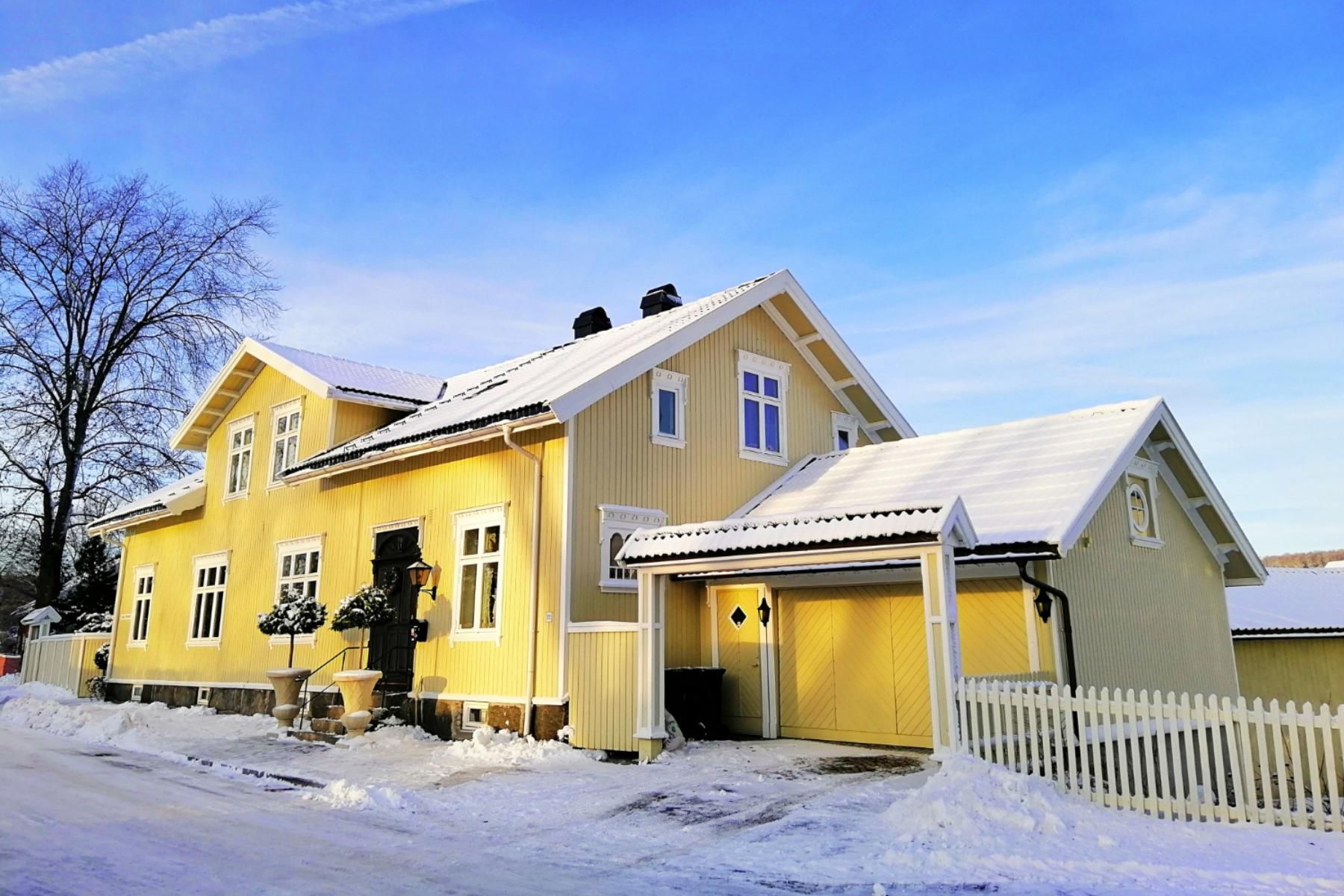
Saskatoon house with heavy snow causing paint damage
By Revive Painting April 20, 2026
How Saskatoon's Freeze-Thaw Cycle Damages Exterior Surfaces Saskatoon 's climate subjects painted surfaces to repeated expansion and contraction as temperatures swing above and below freezing, while moisture infiltration during thaw periods creates internal pressure that compromises paint adhesion and substrate integrity. Ice damming and poorly insulated attics compound these issues by creating uneven temperature zones that accelerate paint breakdown. Understanding the Freeze-Thaw Process in Saskatchewan Saskatchewan's continental prairie climate creates intense freeze-thaw conditions throughout late winter and early spring. When daytime temperatures rise above 0°C, snow melts and water penetrates into microscopic cracks in paint and siding materials. At night, temperatures frequently drop well below freezing, causing this trapped moisture to freeze and expand. This expansion exerts significant force on painted surfaces. Water expands by approximately 9% when it freezes, creating pressure that widens existing cracks and loosens paint from the substrate. The cycle repeats dozens of times each season in Saskatoon, progressively degrading exterior finishes . We see the most severe damage on south and west-facing walls where solar heating accelerates daytime thaw while overnight temperatures still plummet. North-facing surfaces experience less dramatic temperature swings but often retain moisture longer, creating different deterioration patterns. Physics of Snow Melt and Daily Temperature Swings Temperature fluctuations in Saskatoon during spring can exceed 20°C within a 24-hour period. These rapid swings cause painted surfaces to expand when warm and contract when cold. Paint films that have lost flexibility through aging cannot accommodate this movement and develop stress fractures. Snow melt introduces substantial moisture loads to building exteriors. As accumulated snow on roofs and against walls melts, water runs down surfaces and seeks entry points through compromised paint or caulking. Dark-colored paint absorbs more solar radiation, creating localized warm spots that accelerate melt rates and increase moisture exposure. The combination of thermal stress and moisture creates ideal conditions for paint failure . Substrates like wood absorb water during thaw periods and then contract as temperatures drop, creating a mechanical pumping action that forces paint away from the surface. Common Exterior Paint Failures During Thaw Cycles Peeling and blistering are the most visible signs of freeze-thaw damage. Moisture trapped beneath the paint film expands when frozen, breaking the bond between paint and substrate. We observe peeling starting at edges, seams, and areas where water naturally collects. Cracking and alligatoring develop when paint loses elasticity and cannot flex with temperature changes. These patterns create a network of fissures that allow more moisture penetration, accelerating deterioration. Chalking and fading occur as freeze-thaw cycles break down paint binders. The surface becomes powdery and color pigments degrade, particularly on surfaces with maximum sun exposure. Wood substrates show rot and decay when compromised paint allows sustained moisture contact. We identify this by soft spots, discoloration, or visible fungal growth beneath failing paint. Impact of Poorly Insulated Attics and Ice Damming Poorly insulated attics create temperature differentials that contribute to ice damming on roof edges. Heat escaping through inadequate insulation warms roof surfaces, melting snow that then refreezes at cooler eaves. This ice buildup forces water under shingles and behind fascia boards, saturating painted trim and soffits. Ice damming causes water to pool against exterior surfaces for extended periods. This prolonged exposure allows deep moisture penetration into paint and substrate materials. We find that homes with ice damming consistently show accelerated paint failure on eaves, fascia, and upper wall sections. The freeze-thaw damage from ice damming extends beyond roof lines. Overflowing gutters and ice buildup direct water onto wall surfaces not designed for heavy moisture exposure, creating premature paint breakdown and potential structural damage to underlying materials. Warning Signs You Need to Repaint After a Freeze-Thaw Season Saskatoon's freeze-thaw cycles leave visible marks on exterior paint that signal when protection has failed. We can spot these issues by examining paint surfaces, tracking moisture patterns after snow melt, and checking how water moves away from our homes. Cracking, Peeling, and Bubbling Paint Cracking appears when paint loses flexibility during repeated expansion and contraction. We see hairline cracks that run horizontally along siding or larger splits that expose bare wood or substrate underneath. Peeling starts at edges where moisture works behind the film. South and west walls show this first because UV weakens the bond before winter stress arrives. When we spot paint lifting in sheets or curling at seams, the coating no longer protects what's beneath. Bubbling forms when trapped moisture turns to vapor or ice crystals push the film outward. These blisters feel soft when pressed and often cluster near joints, bottom courses of siding, or areas where snow piles against walls. Once bubbles break open, water enters freely and accelerates decay. Discoloration, Stains, or Fading After Snow Melt Vertical streaks and rust-colored stains appear when snow melt carries dirt, salts, and oxidized metals down painted surfaces. We notice these marks most clearly in spring when snow banks recede and reveal what winter left behind. Fading shows up as uneven color, especially on south-facing walls that take the most sun. Chalky residue on our fingers when we touch the surface means the binder has broken down. This powder no longer holds pigment in place or sheds water effectively. Water stains near the foundation or around windows indicate where moisture sat too long during thaw cycles. Dark patches on stucco or wood signal that the substrate stayed wet and the paint barrier failed. Moisture Intrusion and Its Effects on Exterior Paint Moisture travels into gaps opened by freeze-thaw movement. We find it behind paint at caulk lines that have pulled away, at the bottom of siding where end grain absorbed meltwater, and where flashing no longer diverts rain. Paint blisters, softens, or loses adhesion when water sits between the coating and substrate. Wood begins to rot, stucco develops efflorescence, and metal corrodes. These problems spread quickly once moisture breaches the film. We check shaded elevations and north walls that dry slowly after snow melt. Damp spots that remain visible days after rain or thaw tell us water is trapped and moving through the wall assembly. Addressing Drainage Issues: Downspouts, Sump Pumps, and Floor Drains Downspouts must carry water at least 1.8 meters away from the foundation. When they dump near walls, splash-back soaks lower siding and paint fails at the bottom courses. We inspect extensions after spring thaw to ensure they remain connected and grade properly. Properly functioning sump pumps and floor drains keep basements dry, which protects interior conditions that affect exterior paint performance. High indoor humidity from a failing sump pump migrates outward through walls and pushes paint off from behind. Snow melt pooling near the house signals grading problems or clogged drains. We look for: Ice dams at eaves that force water under paint Standing water against foundation walls Downspout discharge frozen or blocked Grade sloping toward the building instead of away When drainage fails, paint takes on more moisture than it was designed to handle and deteriorates within one or two freeze-thaw seasons. Is this your home? Let us know! Contact us today to help.