
Is it safe to live in a house with lead paint? In an older Prince Albert home, the answer depends on the condition of the painted surfaces and if those surfaces are being disturbed. Intact lead-based paint is a different situation from peeling paint, worn windows, or surfaces that are being sanded, scraped, cut, or removed.
We work with homeowners across Prince Albert and surrounding Saskatchewan communities. If your home was built before 1990, the lead question should be addressed before a repaint, repair, or renovation begins.
Which Older Canadian Homes May Contain Lead Paint?
Health Canada says a home built before 1960 probably contains lead-based paint. For homes built from 1960 to 1990, exterior paint may contain lead, and interior coatings may contain smaller amounts.
Homes built after 1990 should not contain lead-based consumer paint because paints produced in Canada and the United States were virtually lead-free by then.
That does not tell you which wall, window, door, or trim surface contains lead. It tells you when testing or added care may be appropriate before older coatings are disturbed.
When Lead Paint Becomes More Concerning
Health Canada says leaving lead-based paint alone can sometimes be safer than removing it when the paint is not chipping and is not within a child’s reach.
Risk increases when paint cracks, chips, flakes, or peels. Normal wear on doors, windows, stairs, railings, and other painted surfaces can also create dust over time.
Renovation creates another concern. Sanding, scraping, burning, or heating old lead-based paint can release lead dust or fumes into the home.
Why Children Need Added Protection
Health Canada states that there is no known safe level of lead exposure. Children face greater risk because they are growing and can absorb lead more easily.
Even small amounts of lead dust can be dangerous to infants and children. Unborn children can also be exposed if the mother-to-be takes lead into her body.
If you are concerned about possible lead exposure in your household, contact a healthcare provider or local public health service for medical guidance.
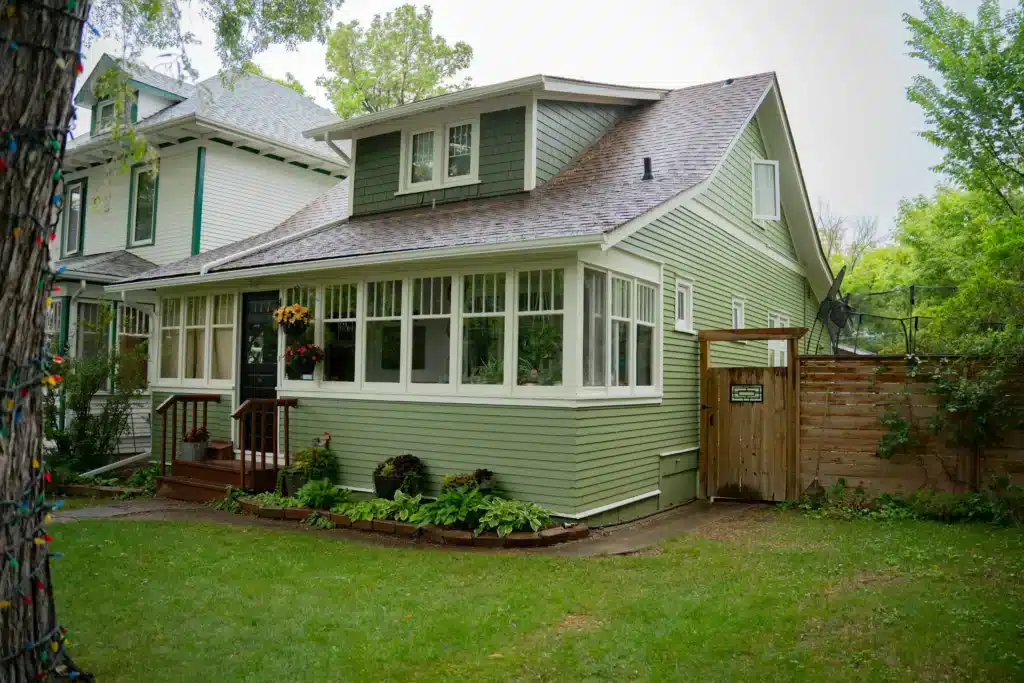
How to Find Out If Your Home Has Lead-Based Paint
For a reliable answer, Health Canada recommends sending paint-chip samples to a laboratory for analysis or hiring a contractor with the proper X-ray equipment to detect lead on painted surfaces.
That is more useful than guessing from the age of the house alone. A test can help identify where lead is present before surface preparation starts.
If your home was built before 1960, testing before major painting or renovation work can help you plan the next step with better information.
What to Do If Lead Paint Is Still in Good Condition
Not every confirmed lead-painted surface needs to be stripped immediately. Health Canada says leaving it alone can be safer than removing it when the coating is sound, not chipping, and not within reach of children.
Covering the area with wallboard, panelling, or wallpaper can add protection in some situations. Health Canada’s current lead-based paint guidance explains when leaving or covering the surface may make sense.
If ordinary repainting is being considered, the existing coating still needs to be stable. New paint should not be treated as a substitute for fixing loose or damaged lead-based paint.
Why Removing Lead Paint Needs Careful Planning
Health Canada warns against using sanders, heat guns, or blowlamps on lead-based paint because those methods can create toxic dust or fumes.
If removal is necessary, the work area needs to be isolated and cleaned carefully so paint chips and dust do not spread through the home.
For homeowners who do not want to take on that exposure risk, Health Canada recommends considering an expert for the work.
Lead removal is different from ordinary interior or exterior repainting. If a project requires specialized lead removal, that scope should be identified before painting begins.
What to Check Before Repainting an Older Home
If your Prince Albert home needs repainting, the lead question should be handled during planning rather than after surface prep has started.
For indoor work, review our interior house painting services. For siding, trim, doors, and other outdoor surfaces, see our exterior house painting services.
Keeping Dust Down While You Plan Repairs
If lead paint is present and repairs are not starting immediately, reducing household dust can help limit exposure. Health Canada recommends regular cleaning, including dusting, vacuuming, and wet-mopping.
Keep children away from peeling or flaking paint and avoid disturbing damaged surfaces until a proper repair plan is in place.
For more detail on how we prepare interior surfaces before coating, our guide to the interior painting process explains how wall condition affects preparation and finish work.
Frequently Asked Questions
Can you live safely in a home with intact lead paint?
Health Canada says leaving lead-based paint alone can sometimes be safer than removing it when it is not chipping and is not within reach of children. The situation changes when the coating deteriorates or renovation work disturbs it.
Do all Canadian homes built before 1990 contain lead paint?
No. Health Canada says homes built before 1960 probably contain lead-based paint. Homes built from 1960 to 1990 may contain it, especially on exterior surfaces.
How can I test my home for lead paint?
Health Canada recommends sending paint-chip samples to a laboratory or hiring a contractor with the proper X-ray equipment to detect lead on painted surfaces.
Can I sand old lead paint before repainting?
Health Canada advises against using sanders, heat guns, or blowlamps on lead-based paint because these methods can create harmful lead dust or fumes.