The Impact of a Commercial Painting on Business Success

Revive Painting • September 28, 2024

In the world of business, first impressions matter, and we often underestimate the power of a fresh coat of paint. A commercial painting company plays a crucial role in shaping the success of businesses across various industries. We've seen how a well-executed paint job can transform a dull, uninspiring space into a vibrant, professional environment that leaves a lasting impact on clients, employees, and visitors alike.


Our experience has shown that investing in quality commercial painting services goes beyond mere esthetics. It has an impact on numerous aspects of business operations, from boosting productivity and energy efficiency to reinforcing brand identity and enhancing curb appeal. In this article, we'll explore how partnering with a skilled commercial painting company can safeguard your property, optimize workplace efficiency, and ultimately contribute to your business's bottom line. We'll also delve into the advantages of choosing professional painters, including their expertise in surface preparation, color selection, and adherence to safety standards.


Creating a Lasting Business Impression


We've found that the impact of a commercial painting company goes far beyond just making a space look pretty. It's about creating an environment that leaves a lasting impression on everyone who walks through your doors. Let's dive into how the right paint job can transform your business image and boost your success.


The Psychology of Color in Business


We've learned that colors have a powerful effect on our emotions and behaviors. In fact, research shows that up to 90% of snap judgments about products are based on color alone. That's why we always recommend carefully considering your color choices when working with a commercial painting company.


Different colors can evoke specific emotions and influence how people perceive your business. For example, we've seen that warm colors like red and orange can create a sense of excitement and urgency. This makes them great choices for retail spaces or restaurants looking to stimulate appetite and encourage quick decisions.


On the other hand, cool colors like blue and green tend to promote feelings of calm and trust. We often suggest these colors for office spaces or healthcare facilities where you want to create a soothing atmosphere.


Enhancing Brand Recognition


One of the most significant benefits we've noticed when working with a commercial painting company is the opportunity to reinforce your brand identity. Consistency in color schemes across all your business touchpoints can significantly boost brand recognition.

We always advise our clients to choose colors that align with their brand's values and personality. For instance, if your brand is all about sustainability and eco-friendliness, we might suggest incorporating earthy tones or shades of green into your commercial space.

It's not just about the walls, either. We've seen how strategic use of accent colors in signage, display units, or feature walls can draw attention to key products or promotions, further enhancing your brand's visibility.


Attracting and Retaining Customers


In our experience, the right paint job can make a world of difference in attracting and retaining customers. The exterior of your commercial building is often the first thing potential customers see, so we always emphasize the importance of curb appeal.


A fresh, professional exterior paint job can significantly influence a customer's decision to enter your business. We've worked with many clients who've seen an increase in foot traffic after updating their exterior with eye-catching colors that stand out from the competition.

Inside, we focus on creating a welcoming atmosphere that encourages customers to stay longer and return more often. We've found that comfortable, inviting color schemes can increase dwell time, which often leads to increased sales.


By working with a skilled commercial painting company, you're not just improving the look of your space – you're investing in your business's success. A well-executed paint job reflects your attention to detail and commitment to quality, leaving a lasting positive impression on your customers and setting you apart from your competitors.


Safeguarding Your Commercial Property


We've learned that working with a commercial painting company isn't just about making your building look good. It's also about protecting your investment and ensuring your property stands the test of time. Let's explore how professional painting services can safeguard your commercial property.


Preventing Structural Damage


In our experience, a quality paint job acts as a shield against harsh weather conditions. It's not just about esthetics; it's about creating a protective barrier that prevents moisture intrusion and minimizes damage caused by exposure to the elements. We've seen how properly applied paint can defend against rust, corrosion, and decay, which is particularly crucial for metal surfaces.


One of the most effective ways we've found to prevent structural damage is by using specialized coatings. For instance, zinc-rich paints and sprays can be applied to steel or iron surfaces, even years after initial construction. These coatings seal the surface and provide solid protection against corrosion and rust, keeping your building materials strong and smooth.


Improving Building Longevity


We've noticed that investing in quality commercial painting services significantly contributes to the longevity of buildings. Polyurethane coatings, for example, deliver strong performance as a commercial building coating. They provide an economical all-weather sealant and protect against scratches, abrasions, impacts, UV rays, rain, snow, and even natural and synthetic chemicals.


Another option we often recommend is powder coating. It provides a strong, durable finish that lasts for years and includes a variety of formulations for different needs, such as abrasion resistance and protection from chemical exposure. This leaves buildings smooth and esthetically pleasing while also protecting from UV exposure, ensuring your building won't lose its luster and shine.


Compliance with Safety Standards


When it comes to safeguarding your commercial property, compliance with safety standards is key. We always stress the importance of following regulations to protect workers, secure your reputation, and avoid potential legal issues.


For instance, we make sure to adhere to OSHA's Personal Protective Equipment (PPE) standards and follow Clean Air Act regulations to limit certain compounds in paints. This helps minimize air pollution and keeps us aligned with industrial painting compliance.


Fire safety is another crucial aspect we never overlook. We often use fire-resistant paint, which offers an esthetically pleasing finish on exposed structural steel members while acting as a passive measure of fireproofing. It serves as an insulator that keeps high temperatures away from structural members or protected openings.


By prioritizing these safety standards and using high-quality materials, we're not just protecting your building – we're also safeguarding your business against potential liabilities and ensuring a safe environment for everyone who enters your property.


Optimizing Workplace Efficiency


We've found that a commercial painting company can have a significant impact on workplace efficiency. The right paint job goes beyond esthetics; it can transform a standard office into a dynamic and productive environment. Let's explore how professional painting services can boost employee performance, help design productive spaces, and reduce workplace stress.


Impact on Employee Performance


Our experience has shown that colors have a powerful effect on our emotions and behaviors. Different hues can influence mood, cognitive function, and overall productivity. For instance, we've seen that blue is more than just a calming color; it's a productivity enhancer that helps reduce stress and promote stability. This makes it perfect for high-intensity work areas like finance departments or emergency operations centers.


Similarly, green doesn't just bring a touch of nature indoors; it soothes and revitalizes, creating an environment where employees can relax and rejuvenate. We've noticed that green is great in areas where employees are expected to work long hours because it reduces anxiety and eye strain.


Designing Productive Spaces


When it comes to designing productive spaces, we always consider the purpose of each area. For example, we often recommend soft blues and earthy tones for areas that demand intense focus. These colors are known to sharpen concentration and enhance mental clarity.


For brainstorming areas, we suggest vibrant colors like orange and yellow. These hues spark creativity and are often used by commercial painting contractors to inspire innovative thinking. In break areas, we lean towards neutrals or soft greens to create peaceful spots for employees to recharge.


The choice of finish is also crucial. We've found that matte finishes are superb for reducing glare, making them ideal for areas filled with computer screens. This can significantly enhance comfort and reduce eye strain for employees, leading to increased productivity and better overall workplace satisfaction.


Reducing Workplace Stress


One of the most effective ways we've found to reduce workplace stress is by using low-VOC (Volatile Organic Compounds) and non-toxic paints. These eco-friendly options not only keep the air clean but also reduce potential health risks like headaches and dizziness. We've seen how a healthier workspace leads to a more productive team.


Color psychology also plays a role in stress reduction. We often use colors like blue and green, which are known to have a calming effect. These hues can help create a more relaxed atmosphere, helping employees manage stress and anxiety.


By carefully selecting colors and finishes, a commercial painting company can transform a standard office into a vibrant hub of creativity and efficiency. We've seen how these thoughtful paint choices can boost productivity, enhance employee well-being, and create an environment where people feel inspired to do their best work.


The Advantages of Professional Commercial Painting


We've found that partnering with a professional commercial painting company offers numerous benefits that go beyond just a fresh coat of paint. Let's explore some of the key advantages that make hiring experts a smart choice for your business.


Expertise and Specialized Knowledge


One of the most significant benefits we've experienced is the wealth of expertise that professional painters bring to the table. These skilled professionals have spent years honing their craft and are well-versed in the latest painting techniques and technologies. Their specialized knowledge allows them to tackle a wide range of commercial painting projects with precision and efficiency.


We've seen how commercial painting services can transform a building's exterior, creating a lasting first impression that attracts customers and enhances curb appeal. These experts understand the unique challenges of exterior commercial painting, from selecting weather-resistant paints to ensuring proper surface preparation. Their knowledge of different paint types and application methods helps protect your building from the elements while maintaining its esthetic appeal.


Efficient Project Management


Time is money in the business world, and we've learned that professional commercial painting companies excel at efficient project management. They understand the importance of minimizing disruptions to your daily operations and work diligently to complete projects on time and within budget.


From our experience, these experts come prepared with a well-structured plan, high-quality tools, and a team of skilled painters. This level of organization allows them to streamline the painting process, reducing downtime and ensuring a faster turnaround. We've seen how this efficiency can lead to significant cost savings and a quicker return to normal business operations.


Guaranteed Results and Support


Perhaps one of the most valuable advantages we've found in working with a commercial painting company is the assurance of quality results. These professionals stand behind their work, often offering warranties on both materials and workmanship. This guarantee provides peace of mind and protects your investment in the long run.


We've also noticed that reputable commercial painting services prioritize safety and compliance. They adhere to strict safety standards and OSHA regulations, ensuring a safe working environment for both their team and your employees. This commitment to safety reduces potential liability issues and demonstrates their professionalism.


Moreover, we've experienced firsthand how these experts can help with color selection and brand reinforcement. They understand the psychology of color in business settings and can recommend palettes that align with your brand identity and create the desired atmosphere in your commercial space.


In conclusion, partnering with a professional commercial painting company offers a range of advantages that extend far beyond just applying paint. From their specialized expertise and efficient project management to guaranteed results and ongoing support, these professionals can help transform your commercial space while saving you time, money, and stress in the long run.


Working Together


The profound influence of our commercial painting on your business success extends far beyond mere esthetics. From creating lasting impressions and safeguarding properties to optimizing workplace efficiency, professional painting services have a significant impact on various aspects of a business. By carefully selecting colors, finishes, and materials, these experts can enhance brand recognition, boost employee productivity, and create environments that attract and retain customers.


To sum up, partnering with a skilled commercial painting company such as us is an investment in your business's future. It not only protects your property but also contributes to a positive work environment and reinforces your brand identity. To experience these benefits firsthand, consider using Revive Painting for your next commercial painting project. With our expertise and attention to detail, you can transform your commercial space into a vibrant, efficient, and successful business environment.  Contact us today to learn more!
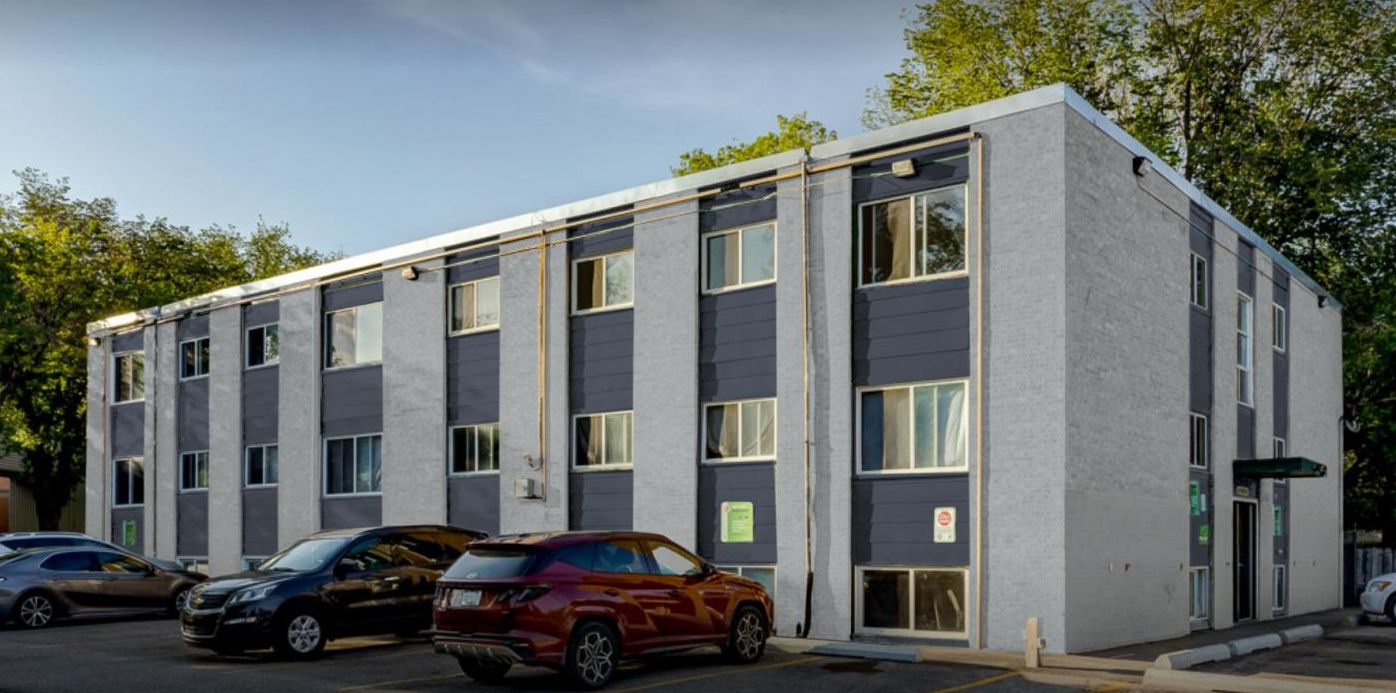
commercial painting paint scheme design
cracking paint on home
By Revive Painting February 28, 2026
Noticing peeling or blistering paint on your Saskatoon home can be frustrating, especially after investing in what you thought would be a lasting exterior finish. Exterior paint peeling and blistering in Saskatoon typically results from moisture infiltration, extreme temperature swings between seasons, and inadequate surface preparation before painting. Saskatoon's unique climate, with its harsh winters and humid summers, creates conditions that challenge even quality paint jobs. Understanding why your paint is failing is the first step toward protecting your home's exterior and curb appeal . The freeze-thaw cycles common in Saskatchewan, combined with moisture from snow, rain, and humidity, can compromise paint adhesion and lead to premature deterioration. This article examines the specific factors causing paint failure in Saskatoon's climate and provides practical solutions to restore and protect your home's exterior. You'll learn how to identify the root causes of your paint problems and when professional intervention makes sense for long-term results. Core Causes of Peeling and Blistering Exterior Paint in Saskatoon Saskatoon's continental climate creates specific challenges for exterior painting that homeowners must understand to protect their investment. The combination of extreme temperature swings, moisture intrusion from multiple sources, and demanding weather conditions makes proper surface preparation and paint selection critical. Impact of Weather Conditions in Saskatoon on Exterior Paint Saskatoon experiences some of Canada's most challenging weather conditions for exterior paint. Summer temperatures can reach 30°C or higher, while winter temperatures plunge to -40°C or below. This creates a unique stress on your paint film. Direct sunlight heats painted surfaces well above air temperature, especially on south and west-facing walls. When you paint a warm surface in direct sunlight, the paint can dry too quickly and fail to bond properly. Prairie winds intensify these effects by accelerating moisture evaporation during application. Your paint needs adequate time to cure, but Saskatoon's low humidity and wind can cause water-based paints to dry before they properly adhere to the surface. UV radiation is particularly intense during long summer days. This breaks down paint binders over time, leading to chalking and eventual loss of adhesion. Dark colors absorb more heat and suffer faster degradation than lighter shades. Moisture and Humidity Intrusion Moisture is the primary culprit behind peeling and blistering in Saskatoon homes. Water infiltration occurs through multiple pathways that compromise your paint's adhesion. Common moisture sources include: Leaking or overflowing gutters directing water onto siding Missing or deteriorated caulking around windows and doors Ice dam formation during spring thaw cycles Ground water splash-back from poor grading Interior moisture escaping through walls When moisture becomes trapped between your substrate and paint film, it causes the paint to lift and form blisters. This is especially problematic with oil-based paints, which create a less breathable barrier than latex alternatives. Painting over damp surfaces is a frequent mistake. Even if the surface appears dry, residual moisture from morning dew, rain, or melting snow can prevent proper adhesion. You need to ensure surfaces are completely dry before applying primer or topcoat. Temperature Fluctuations and Seasonal Extremes Saskatoon's temperature range exceeds 70°C annually, creating constant expansion and contraction cycles in your home's exterior materials. Wood, vinyl, and other substrates expand in heat and contract in cold, stressing the paint film. These movements cause rigid coatings to crack and lose elasticity over time. Oil-based paints become brittle as they age, making them vulnerable to splitting during cold snaps. The constant freeze-thaw cycles in spring and fall accelerate this deterioration. Applying paint outside the manufacturer's recommended temperature range leads to adhesion failure. Most exterior paints require temperatures above 10°C during application and curing. Cold weather painting causes improper film formation that appears fine initially but fails within months. Rapid temperature changes are particularly damaging. A hot summer day followed by a cool evening with dew formation can cause blistering if the paint hasn't fully cured. Inadequate Surface Preparation Techniques Poor surface preparation causes more paint failures than any other factor. Your exterior painting project depends on proper cleaning, scraping, and priming of all surfaces. Critical preparation steps include: Removing all loose, flaking, and cracked paint Cleaning surfaces of dirt, chalk, and mildew Sanding glossy surfaces to improve mechanical adhesion Filling cracks and gaps with appropriate caulking Priming bare wood and metal before topcoating Skipping primer on bare wood is a common error. Wood contains natural oils and tannins that prevent paint adhesion and can bleed through topcoats. You must use a high-quality stain-blocking primer to seal the substrate. Painting over chalky surfaces without proper cleaning causes the new paint to bond with loose chalk particles rather than the substrate. Power washing removes surface contamination, but you must allow adequate drying time before painting. Effective Solutions and Professional Guidance Addressing peeling and blistering paint requires proper diagnosis, systematic repairs, quality materials, and often professional expertise to achieve lasting results in Saskatoon's challenging climate. Diagnosing Peeling and Blistering Paint Issues Accurate identification of the root cause determines the success of your repair efforts. Check for moisture sources by examining caulking around windows, doors, and joints for cracks or gaps. Inspect your gutters for clogs or ice buildup that could force water behind your siding. Look for signs of interior moisture migrating through walls, particularly near bathrooms, kitchens, and laundry areas. Verify that painted surfaces maintain proper clearance from ground level. Examine the paint itself for patterns that reveal specific issues—blistering typically indicates moisture trapped beneath the surface, while widespread peeling suggests poor adhesion or surface preparation. Test the remaining paint by pressing firmly with your thumb. If it feels spongy or moves, moisture is present underneath. Document problem areas and note whether they face prevailing winds or receive excessive sun exposure, as Saskatoon's weather patterns significantly impact paint performance. Essential Steps to Repair and Prevent Paint Failure Remove all loose, cracked, or peeling paint using scrapers and wire brushes until you reach solid, well-adhered surfaces. Sand the edges of remaining paint to create smooth transitions. Clean the surface thoroughly to remove dirt, chalk, and mildew using appropriate cleaners. Address moisture sources before repainting. Replace damaged caulking with quality exterior-grade products . Repair or clean gutters so they channel water properly away from your home. Install or improve ventilation in moisture-prone areas through vents, louvers, or dehumidifiers. Allow surfaces to dry completely before proceeding. Prime bare wood or exposed areas with a premium exterior primer designed for moisture resistance . This step is critical in Saskatoon's climate where temperature fluctuations and humidity create challenging conditions. Key preparation requirements: Remove all failing paint to stable substrate Eliminate moisture sources and improve drainage Sand and clean surfaces thoroughly Apply appropriate primer to exposed areas Ensure complete drying before topcoat application Selecting High-Quality Paint and Proper Application Methods Choose exterior paint specifically formulated for Canadian prairie conditions that can withstand Saskatoon's temperature extremes and UV exposure. Premium acrylic latex paints offer superior flexibility, breathability, and adhesion compared to lower-grade options. Verify that the paint you select provides moisture resistance while allowing water vapor to escape from within the wall structure. This breathability prevents trapped moisture from causing future peeling. Apply paint only when surface and air temperatures fall within the manufacturer's specified range, typically between 10°C and 30°C. Use proper application techniques with quality brushes or rollers. Apply thin, even coats rather than one thick application. Allow adequate drying time between coats as specified by the manufacturer. Avoid painting surfaces that are damp from rain, dew, or condensation. Benefits of Hiring an Exterior Painting Company in Saskatoon Professional painters possess specialized knowledge of local climate challenges and proper surface preparation techniques. We are a painting company in Saskatoon, SK, equipped to diagnose underlying moisture issues that homeowners often miss. Experienced contractors have access to commercial-grade materials and equipment that produce superior results. They understand which primers and paints perform best in prairie conditions with extreme temperature swings and intense summer sun. Professional services include proper insurance coverage, warranty protection, and efficient project completion. Hiring an exterior painting company is the solution when dealing with extensive damage, hard-to-reach areas, or recurring paint failure. Experts can identify structural issues contributing to paint problems and recommend comprehensive solutions that prevent future damage, ultimately saving you time and money on repeated repairs. Frequently Asked Questions Homeowners in Saskatoon face unique challenges when it comes to maintaining exterior paint due to the city's harsh climate conditions. Understanding the causes, prevention methods, and solutions for paint deterioration helps you protect your home's appearance and structural integrity. What are the common causes of peeling and blistering in exterior home paint? Moisture infiltration stands as the primary cause of paint peeling and blistering on your home's exterior. When water penetrates through cracks or poorly sealed surfaces, it becomes trapped between the paint layer and the substrate, creating pressure that pushes the paint away from the surface. Poor surface preparation before painting leads to adhesion failure. If you paint over dirty, oily, or loose materials without proper cleaning and priming, the paint cannot form a strong bond with the underlying surface. Temperature fluctuations cause paint to expand and contract repeatedly. This constant movement weakens the paint's grip on your home's exterior, eventually resulting in cracks and peeling. Humidity affects paint adhesion significantly. When you apply paint during high humidity conditions or when moisture levels in the substrate are elevated, the paint cannot cure properly and may fail prematurely. How does the climate of Saskatoon, SK contribute to exterior paint degradation? Saskatoon experiences extreme temperature swings between seasons, with winter temperatures often dropping below -30°C and summer temperatures rising above 30°C. These dramatic shifts cause your exterior paint to expand in heat and contract in cold, creating stress that leads to cracking and peeling. The city receives significant moisture from snow accumulation during long winters. As snow melts in spring, water can seep into small cracks and imperfections in your paint, then freeze and expand, causing blistering and paint separation. Intense UV radiation during summer months breaks down the binding agents in paint. This degradation appears as chalking, fading, and eventually leads to peeling as the paint loses its protective qualities. Freeze-thaw cycles occur frequently in Saskatoon during spring and fall. Water that enters behind paint films freezes, expands, and forces the paint away from the surface, accelerating deterioration. Which exterior paint types are most resistant to peeling and blistering in extreme weather conditions? 100% acrylic latex paints offer superior flexibility and moisture resistance compared to other paint types. These paints expand and contract with temperature changes without cracking, making them ideal for Saskatoon's climate extremes. Elastomeric coatings provide exceptional durability in harsh climates. These thick, rubber-like paints can bridge small cracks and offer excellent moisture protection while withstanding severe temperature fluctuations. Oil-based paints create a harder, more durable finish that resists moisture penetration. However, they are less flexible than acrylic options and may crack more easily during freeze-thaw cycles. High-quality exterior paints with advanced weather-resistant formulations include additives that enhance UV protection and mildew resistance. Look for products specifically rated for extreme climate conditions when selecting paint for your Saskatoon home. What preventative measures can be taken to protect exterior paint from peeling and blistering? Proper surface preparation before painting is essential. You must remove all loose paint, clean surfaces thoroughly, repair damaged areas, and ensure substrates are completely dry before applying new paint. Apply a high-quality primer designed for your specific substrate material. Primers improve paint adhesion and create a barrier against moisture penetration, significantly reducing the risk of future peeling. Maintain proper caulking around windows, doors, and trim. Check these areas annually and replace deteriorated caulk to prevent water infiltration behind your paint. Ensure adequate ventilation in your home to control interior humidity levels. Install and maintain exhaust fans in bathrooms, kitchens, and laundry areas to prevent moisture from migrating through walls. Keep gutters and downspouts clean and functioning properly. Direct water away from your home's foundation and exterior walls to minimize moisture exposure. How often should one perform maintenance on their home's exterior paint in a place like Saskatoon, SK? You should inspect your exterior paint at least twice annually, ideally in spring and fall. Look for signs of peeling, blistering, cracking, or chalking that indicate developing problems requiring attention. Plan to repaint your home's exterior every 7 to 10 years under normal conditions. Saskatoon's harsh climate may reduce this timeframe to 5 to 7 years, depending on paint quality and exposure to weather elements. Touch up minor damage immediately when you notice it. Small areas of peeling or cracking spread quickly if left unaddressed, potentially requiring more extensive repairs later. Clean your exterior surfaces annually to remove dirt, mildew, and contaminants. Use a pressure washer on appropriate settings or gentle hand washing to maintain paint integrity without causing damage. What professional services are recommended for addressing peeling and blistering exterior paint issues? Licensed painting contractors provide comprehensive assessments of paint failure causes and recommend appropriate solutions. They have the expertise to identify moisture sources, substrate problems, and application errors that DIY diagnosis might miss. Professional painters use specialized equipment and techniques for proper surface preparation. They can effectively remove failing paint, repair damaged substrates, and apply new coatings according to manufacturer specifications. Building envelope specialists can evaluate your home's overall moisture management system. They identify issues with vapor barriers, insulation, and ventilation that contribute to paint failure from the inside out. Certified home inspectors offer detailed evaluations of exterior conditions affecting paint performance. Their reports help you understand whether paint problems stem from application issues or underlying structural concerns requiring different solutions. Contact us today to help.
painting beige wall in home
By Revive Painting February 19, 2026
Choosing the Perfect Beige and Warm Taupe Paint Colours Beige and warm taupe paint colours offer versatile neutral foundations that adapt to different lighting conditions and design styles. These colors range from creamy beiges with golden undertones to sophisticated greiges that blend gray and beige elements. Understanding Beige, Greige, and Taupe Beige paint colours contain warm undertones of yellow, gold, or red that create inviting spaces. These shades work particularly well in rooms with abundant natural light, where they develop a soft, sun-kissed appearance. Greige combines gray and beige to produce a modern neutral that feels less traditional than pure beige. Greige paint colours offer more versatility in contemporary spaces while maintaining warmth through their beige undertones. Taupe sits between brown and gray, often featuring subtle purple or green undertones. Warm taupe variants lean toward brown with hints of red or yellow, making them ideal for cozy atmospheres. Cool taupes incorporate more gray, which can feel less welcoming in spaces lacking natural light. The key difference lies in undertones. We recommend testing paint samples on multiple walls and observing them throughout the day to see how lighting affects each shade's appearance. Popular Warm Beige and Taupe Paint Colours Sherwin Williams Accessible Beige stands as one of the most popular neutral paint colors. This warm beige strikes a balance between beige and taupe, making it adaptable to various design styles. Benjamin Moore Edgecomb Gray offers a greige option with warm undertones that shift between beige and gray depending on lighting. Revere Pewter provides another greige alternative with slightly cooler tones. For true warm beiges, we recommend: Sherwin Williams Balanced Beige - warm versatile shade Benjamin Moore Manchester Tan - rich creamy beige Sherwin Williams Kilim Beige - warm with golden undertones Benjamin Moore Shaker Beige - soft traditional beige Sherwin Williams Perfect Greige delivers exactly what its name suggests. Bungalow Beige , Wool Skein , and Grant Beige offer warmer alternatives, while Muslin and Sherwin Williams Natural Linen provide softer, fabric-inspired neutrals. Nomadic Desert brings earthy warmth for those seeking richer tones. Best Paint Colors for a Cozy Home Atmosphere Warm beige paint creates cozy sanctuaries by reflecting light softly while maintaining depth. Colors with golden or yellow undertones enhance this effect, particularly in living rooms and bedrooms where relaxation matters most. Accessible Beige and Balanced Beige work well in spaces with moderate to high natural light. These best beige paint colors pair beautifully with natural wood elements and earthy decor. For rooms with less light, we suggest Manchester Tan or Kilim Beige . Their stronger warm undertones prevent spaces from feeling dull or flat. Edgecomb Gray suits modern homes seeking warmth without traditional beige appearance. The greige paint color adapts to different lighting while maintaining a welcoming feel. Layer these neutral paint colors with textured fabrics, plants, and warm wood tones to maximize coziness. The best beige paint colors serve as foundations that let other design elements shine while providing consistent warmth throughout your home. Making Your Home Feel Cozy and Inviting Creating a cozy home starts with selecting paint colors that provide warmth and versatility, then enhancing those choices with thoughtful decor, proper testing, and an understanding of how light affects your space. Creating a Neutral Backdrop for Every Room We've found that the best neutral paint colors create a foundation that works throughout your entire home. A neutral backdrop allows us to change decor without repainting, saving time and money. When choosing neutrals, we need to consider the undertones. Warm beige paint colors with golden or yellow undertones create inviting spaces, while warm grays offer a modern feel without coldness. The key is understanding what "neutral" means for your specific style. The most versatile neutral backdrops include: Beige with subtle gray undertones for balanced warmth Warm grays that lean slightly beige rather than blue Natural linen tones that mimic organic textures Greige colors that blend the best of both worlds We recommend using LRV (Light Reflectance Value) to understand how bright or dark a color will appear. Colors with an LRV of 50-60 provide enough depth without making rooms feel heavy. The beauty of a neutral backdrop is its flexibility. We can pair it with sage green accents for a natural vibe or add rich wood tones for traditional warmth. Using Warm Golden and Earthy Hues Warm golden and earthy hues instantly transform rooms into welcoming retreats. These colors work because they mimic natural elements like sunlight, sand, and clay. We love using beige undertones with hints of gold or honey. These shades catch natural light beautifully, creating a gentle glow throughout the day. Unlike cool neutrals, warm beige paint makes spaces feel lived-in and comfortable. Earthy tones in the brown family ground a room. We can use them as accent walls or throughout entire spaces for maximum coziness. Terracotta, warm tan, and soft caramel all fall into this category. Consider these combinations: Golden beige walls with cream trim Warm taupe throughout with white ceilings Earthy brown accent wall with lighter beige surrounding walls Color trends come and go, but warm earth tones remain timeless. They've been popular for decades because they create the emotional response we want in our homes. Cozy Home Decor Pairings and Accents Our paint colors work best when we pair them with complementary decor. Natural materials enhance the warmth of beige and taupe walls. Wood furniture in medium to dark tones creates beautiful contrast against warm neutrals. Oak, walnut, and cherry all bring out the golden undertones in our paint choices. We also love natural linen curtains and upholstery, which add texture without competing visually. Metal finishes matter too. Brass, gold, and warm bronze hardware look stunning against warm beige paint and taupe walls. These finishes reflect light and add subtle luxury. Our favorite accent combinations: Sage green pillows and throws against warm beige Cream and ivory textiles for a layered neutral look Deep navy or forest green as bold contrast colors Natural fiber rugs in jute or sisal We can also add cozy elements through lighting. Warm-toned bulbs (2700K-3000K) enhance golden hues in paint, while table lamps with fabric shades create pools of soft light. Testing Paint Samples and Considering Lighting We never skip testing paint samples before committing to a full room. Colors look completely different on walls than they do on small chips. Paint large samples (at least 2x2 feet) directly on your walls. We observe them for at least 48 hours, checking how they look in morning light, afternoon sun, and evening artificial light. This reveals the true character of beige undertones and how warm grays shift throughout the day. North-facing rooms receive cooler light, which can make warm beige paint appear more gray. South-facing rooms get warm, direct light that intensifies golden tones. We adjust our color choices based on these conditions. Our testing checklist includes: