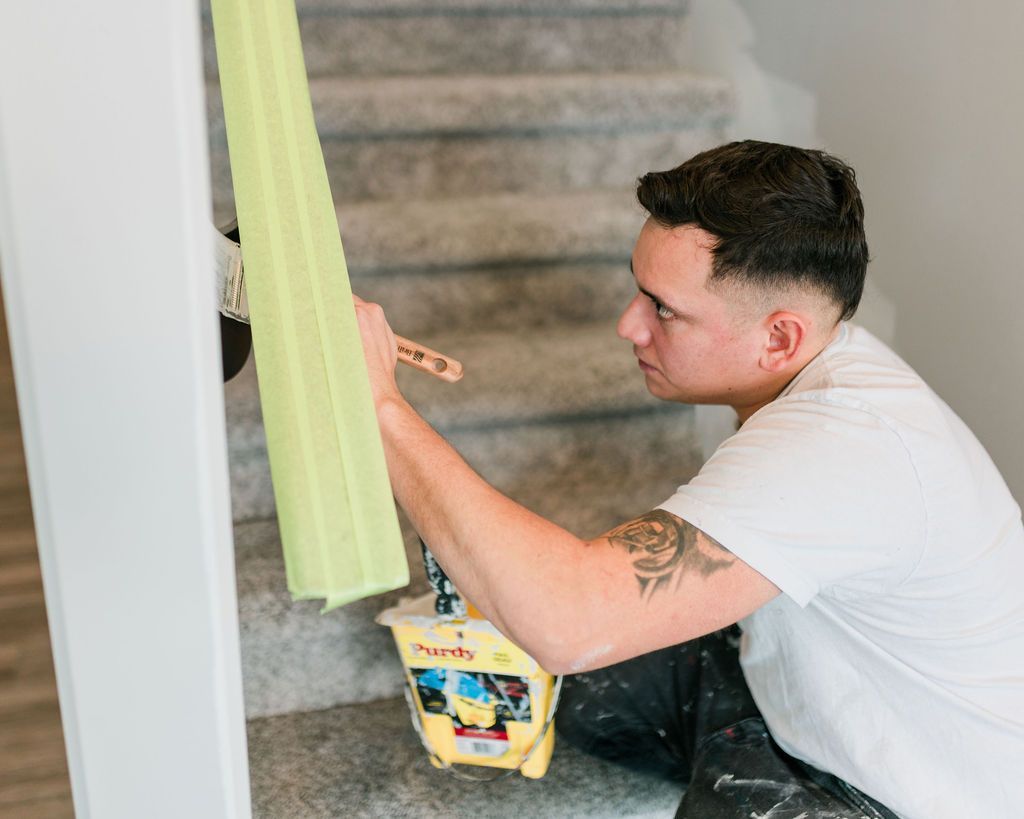
Saskatoon Condo Painting Costs: Your Money-Saving Guide for 2026

Revive Painting • January 19, 2026

Your condo renovation needs a different approach than a traditional house. The unique challenges of condominiums affect painting costs and project planning. Without doubt, these differences will help you budget better for 2026.


What makes condo painting different from houses


The strict building protocols in condos affect painting logistics differently than standalone homes. Building management enforces designated work hours, insurance requirements, and sometimes puts limits on certain finishes. Space limitations create challenges too - painting crews must work around furniture in tight layouts where every square foot matters. The project timeline and labor costs might increase because most condo buildings need scheduled freight elevator access.


The ventilation system creates another big concern. Limited airflow and sealed windows make low-VOC or zero-VOC paints necessary, though they cost more. Modern condos often have 9 or 10-foot ceilings with exposed concrete, ductwork, or bulkheads. These architectural elements make the painting process complex and need special techniques.


Average cost to paint a condo interior in Saskatoon


Saskatoon's interior condo painting costs range from $2.09 to $4.88 per square foot for walls only. The price goes up to $4.18 to $6.27 per square foot with ceilings and trim included. A standard room costs around $2,508.05 on average.


Wall condition, paint quality, and project complexity drive price variations. A small 650 sq ft condo's professional painting services usually cost between $900-2,400, with most jobs falling in the $1,200-1,800 range. Larger units cost more, especially with specialty finishes or extensive prep work.


How painting cost per sq ft is calculated


Professional painters look at many elements to calculate project costs. Labor makes up 60-70% of the total cost, while materials like paint, primer, and supplies cover the rest. They divide the total project cost by the paintable surface area's square footage.


The wall's condition plays a big role in the final price. Patching, sanding, and priming take extra time and materials. Color changes affect the price too, especially going from dark to light shades that need more coats. Premium paints cost more upfront but last longer and cover better.


The final price changes based on ceiling height, trim details, and how easy it is to access different areas. Special treatments might be needed for textured surfaces or unsealed areas, which adds to the cost.


Key Factors That Influence Interior Painting Prices


Your condo painting project's final price depends on several connected factors. These elements will help you create a realistic budget and avoid surprise costs in 2026.


Wall condition and surface preparation


Surface preparation makes up 20-40% of total labor costs. Professional painters need to check existing damage like cracks, peeling paint, and nail holes before they start painting. Your costs will increase if walls are in poor condition and need extra patching, sanding, and priming. Kitchen areas with grease buildup or water damage need additional cleaning and sealing. Good preparation will give a flawless finish that lasts longer.


Ceiling height and accessibility


High or textured ceilings can push your costs up by 40%. Painting standard 8-9 foot ceilings costs less, while loft-style ceilings (11-14 feet) need special equipment and more labor hours. Rooms with complex architectural features or limited access points cost more per square foot than open spaces with standard heights.


Color changes and number of coats


Major color changes, especially when you have dark to light shades, need primer and multiple coats that raise costs. White doesn't cover dark colors well. Most painting quotes include two coats to get the best coverage, and extra coats mean more paint and labor time. Your budget stays in check if you stick to similar colors.


Paint quality and brand selection


Paint quality affects both immediate cost and long-term value by a lot. Budget paints cost between $34.83-55.73 per gallon, while premium options like Benjamin Moore or Sherwin Williams range from $69.67-167.20. Premium paints contain more solids (approximately 45%) and give better coverage and durability despite higher upfront costs.


Trim, baseboards, and crown molding


Trim work needs precise and detailed brushwork, a technique called "cutting in". Baseboards and trim cost $2.23-4.88 per linear foot, and each door and frame adds about an hour of labor. Complex crown molding or detailed woodwork creates more edges that need careful attention, which increases project time and cost.


How to Reduce Your Condo Painting Expenses


You can take control of your condo painting budget by knowing which parts of the project you can do yourself. Good preparation and smart decisions about the scope will help you save money without losing quality.


Prepping the space before painters arrive


You can cut down labor costs by getting the space ready before professional painters show up. Moving out furniture, decorations, and personal items lets painters work quickly without obstacles. Yes, it is easier for painters to move around your space and use longer paint poles (4-6 feet). This helps them paint faster than using short strokes that add extra time to the project. On top of that, it helps to clean walls with mild soap and water to remove dust, grease, and residue that might affect how well the paint sticks. You can save $100-200 by cleaning baseboards and trim, and hoovering up pet hair from carpets - costs that painters usually include in their quotes.


Handling minor wall repairs yourself


One of the quickest ways to cut condo painting costs is to fix small wall repairs on your own. You can easily fix minor cracks, nail holes, and surface problems with simple supplies like spackle, a putty knife, and sandpaper. Clean the damaged area first, fill cracks or holes with spackling compound, let it dry, then sand it smooth before priming. For textured walls, you can find special texture kits at Saskatoon painting supply stores that match existing patterns naturally.


Choosing neutral colors to avoid multiple coats


Neutral colors often need just one coat, especially when you're going from dark to light shades. More coats mean higher labor and material costs. Eggshell finishes hide wall flaws well and you can wash them easily, which makes them great for living spaces. Self-priming paints can help you save money because you won't need a separate primer.


Skipping ceilings or closets if not needed


You can save money by painting selectively. Look at which areas really need fresh paint and which ones just need touch-ups. You might not need to paint closet interiors and ceilings if they look fine. This is a big deal as it means that your total square footage will be much lower.


Using a painting cost calculator to plan ahead


Good planning stops you from buying too much paint. Paint calculators from major manufacturers show you exactly how much paint you need based on your room size. A gallon of paint usually covers about 400 square feet, depending on surface texture and paint quality. Planning your paint amounts carefully helps avoid running short mid-job or having leftover paint that's hard to store in a condo.


Professional vs DIY: What Saves More in the Long Run?


Money equals time, right? The value of your hours might be the most overlooked part of condo painting. My experience shows that DIY projects planned as weekend tasks often turn into weeks of home disruption.


Time and labor efficiency of professionals


Professional painters can finish in a day what most DIYers need a full weekend or more to complete. A standard 12x12 bedroom takes professionals just 3-4 hours. The same job might eat up 40+ hours of a homeowner's time. Their efficiency comes from specialized equipment, practiced techniques and team coordination. These painters know how to cut clean lines between walls and trim—skills that take years to perfect.


Common DIY mistakes that increase costs


DIY painting can get pricey due to simple mistakes. Paint looks patchy and uneven without primer. Drips happen when brushes get overloaded, and fixing them needs sanding and repainting. The effects of humidity catch many homeowners off guard. This leads to paint blistering and early failure. Most of these mistakes need professional fixes within two years. The result? You end up paying twice.


Tools and materials you may need to buy or rent


DIY projects need more than just paint. A standard bedroom requires $278.67-696.68 for materials. Your shopping list has quality brushes ($27.87-69.67), painter's tape ($6.97-20.90), drop cloths ($13.93-41.80), and ladder rental ($111.47-120 for two days).


When hiring a painting business near you makes sense


Professional services prove their worth when projects become complex or time gets tight. Quality expectations might exceed your DIY skills. Revive Painting and Wallpaper - Sasktoon's top painting contractors handle challenging tasks like high ceilings or detailed trim work. That same bedroom costs $696.68-2,090.04 for professional painting. The price includes superior durability, proper surface preparation, and often materials.


Finding Your Price


Professional contractors in Saskatoon calculate condo painting costs in different ways. You'll find most using either per square foot pricing ($2.09-6.97) or hourly rates ($111.47-125.40 per hour). Some multiply paint costs by 4-6 times while others just measure wall space instead of floor area. These methods can lead to very different price estimates.


Choosing painting services requires clear pricing details. Ask for quotes that break down labor costs (75-85% of total costs), materials, and overhead expenses. Many don't realize that overhead has vital elements like insurance and WSIB coverage to protect both homeowners and painters during the project.


Custom quotes work better than standard rates for smaller condos, particularly those with unique architecture or existing damage. The cost range for one-bedroom units varies by a lot—from $1114.69 for basic walls to $5573.44 when you add trim, doors, and ceilings.

Getting accurate estimates needs specific measurements, so don't rely just on rough room dimensions or floor area. Quality professionals take time to inspect everything and bring experienced team members who spot potential issues before giving final prices.  Contact us today if you need help in finding yours!

cracking paint on home
By Revive Painting February 28, 2026
Noticing peeling or blistering paint on your Saskatoon home can be frustrating, especially after investing in what you thought would be a lasting exterior finish. Exterior paint peeling and blistering in Saskatoon typically results from moisture infiltration, extreme temperature swings between seasons, and inadequate surface preparation before painting. Saskatoon's unique climate, with its harsh winters and humid summers, creates conditions that challenge even quality paint jobs. Understanding why your paint is failing is the first step toward protecting your home's exterior and curb appeal . The freeze-thaw cycles common in Saskatchewan, combined with moisture from snow, rain, and humidity, can compromise paint adhesion and lead to premature deterioration. This article examines the specific factors causing paint failure in Saskatoon's climate and provides practical solutions to restore and protect your home's exterior. You'll learn how to identify the root causes of your paint problems and when professional intervention makes sense for long-term results. Core Causes of Peeling and Blistering Exterior Paint in Saskatoon Saskatoon's continental climate creates specific challenges for exterior painting that homeowners must understand to protect their investment. The combination of extreme temperature swings, moisture intrusion from multiple sources, and demanding weather conditions makes proper surface preparation and paint selection critical. Impact of Weather Conditions in Saskatoon on Exterior Paint Saskatoon experiences some of Canada's most challenging weather conditions for exterior paint. Summer temperatures can reach 30°C or higher, while winter temperatures plunge to -40°C or below. This creates a unique stress on your paint film. Direct sunlight heats painted surfaces well above air temperature, especially on south and west-facing walls. When you paint a warm surface in direct sunlight, the paint can dry too quickly and fail to bond properly. Prairie winds intensify these effects by accelerating moisture evaporation during application. Your paint needs adequate time to cure, but Saskatoon's low humidity and wind can cause water-based paints to dry before they properly adhere to the surface. UV radiation is particularly intense during long summer days. This breaks down paint binders over time, leading to chalking and eventual loss of adhesion. Dark colors absorb more heat and suffer faster degradation than lighter shades. Moisture and Humidity Intrusion Moisture is the primary culprit behind peeling and blistering in Saskatoon homes. Water infiltration occurs through multiple pathways that compromise your paint's adhesion. Common moisture sources include: Leaking or overflowing gutters directing water onto siding Missing or deteriorated caulking around windows and doors Ice dam formation during spring thaw cycles Ground water splash-back from poor grading Interior moisture escaping through walls When moisture becomes trapped between your substrate and paint film, it causes the paint to lift and form blisters. This is especially problematic with oil-based paints, which create a less breathable barrier than latex alternatives. Painting over damp surfaces is a frequent mistake. Even if the surface appears dry, residual moisture from morning dew, rain, or melting snow can prevent proper adhesion. You need to ensure surfaces are completely dry before applying primer or topcoat. Temperature Fluctuations and Seasonal Extremes Saskatoon's temperature range exceeds 70°C annually, creating constant expansion and contraction cycles in your home's exterior materials. Wood, vinyl, and other substrates expand in heat and contract in cold, stressing the paint film. These movements cause rigid coatings to crack and lose elasticity over time. Oil-based paints become brittle as they age, making them vulnerable to splitting during cold snaps. The constant freeze-thaw cycles in spring and fall accelerate this deterioration. Applying paint outside the manufacturer's recommended temperature range leads to adhesion failure. Most exterior paints require temperatures above 10°C during application and curing. Cold weather painting causes improper film formation that appears fine initially but fails within months. Rapid temperature changes are particularly damaging. A hot summer day followed by a cool evening with dew formation can cause blistering if the paint hasn't fully cured. Inadequate Surface Preparation Techniques Poor surface preparation causes more paint failures than any other factor. Your exterior painting project depends on proper cleaning, scraping, and priming of all surfaces. Critical preparation steps include: Removing all loose, flaking, and cracked paint Cleaning surfaces of dirt, chalk, and mildew Sanding glossy surfaces to improve mechanical adhesion Filling cracks and gaps with appropriate caulking Priming bare wood and metal before topcoating Skipping primer on bare wood is a common error. Wood contains natural oils and tannins that prevent paint adhesion and can bleed through topcoats. You must use a high-quality stain-blocking primer to seal the substrate. Painting over chalky surfaces without proper cleaning causes the new paint to bond with loose chalk particles rather than the substrate. Power washing removes surface contamination, but you must allow adequate drying time before painting. Effective Solutions and Professional Guidance Addressing peeling and blistering paint requires proper diagnosis, systematic repairs, quality materials, and often professional expertise to achieve lasting results in Saskatoon's challenging climate. Diagnosing Peeling and Blistering Paint Issues Accurate identification of the root cause determines the success of your repair efforts. Check for moisture sources by examining caulking around windows, doors, and joints for cracks or gaps. Inspect your gutters for clogs or ice buildup that could force water behind your siding. Look for signs of interior moisture migrating through walls, particularly near bathrooms, kitchens, and laundry areas. Verify that painted surfaces maintain proper clearance from ground level. Examine the paint itself for patterns that reveal specific issues—blistering typically indicates moisture trapped beneath the surface, while widespread peeling suggests poor adhesion or surface preparation. Test the remaining paint by pressing firmly with your thumb. If it feels spongy or moves, moisture is present underneath. Document problem areas and note whether they face prevailing winds or receive excessive sun exposure, as Saskatoon's weather patterns significantly impact paint performance. Essential Steps to Repair and Prevent Paint Failure Remove all loose, cracked, or peeling paint using scrapers and wire brushes until you reach solid, well-adhered surfaces. Sand the edges of remaining paint to create smooth transitions. Clean the surface thoroughly to remove dirt, chalk, and mildew using appropriate cleaners. Address moisture sources before repainting. Replace damaged caulking with quality exterior-grade products . Repair or clean gutters so they channel water properly away from your home. Install or improve ventilation in moisture-prone areas through vents, louvers, or dehumidifiers. Allow surfaces to dry completely before proceeding. Prime bare wood or exposed areas with a premium exterior primer designed for moisture resistance . This step is critical in Saskatoon's climate where temperature fluctuations and humidity create challenging conditions. Key preparation requirements: Remove all failing paint to stable substrate Eliminate moisture sources and improve drainage Sand and clean surfaces thoroughly Apply appropriate primer to exposed areas Ensure complete drying before topcoat application Selecting High-Quality Paint and Proper Application Methods Choose exterior paint specifically formulated for Canadian prairie conditions that can withstand Saskatoon's temperature extremes and UV exposure. Premium acrylic latex paints offer superior flexibility, breathability, and adhesion compared to lower-grade options. Verify that the paint you select provides moisture resistance while allowing water vapor to escape from within the wall structure. This breathability prevents trapped moisture from causing future peeling. Apply paint only when surface and air temperatures fall within the manufacturer's specified range, typically between 10°C and 30°C. Use proper application techniques with quality brushes or rollers. Apply thin, even coats rather than one thick application. Allow adequate drying time between coats as specified by the manufacturer. Avoid painting surfaces that are damp from rain, dew, or condensation. Benefits of Hiring an Exterior Painting Company in Saskatoon Professional painters possess specialized knowledge of local climate challenges and proper surface preparation techniques. We are a painting company in Saskatoon, SK, equipped to diagnose underlying moisture issues that homeowners often miss. Experienced contractors have access to commercial-grade materials and equipment that produce superior results. They understand which primers and paints perform best in prairie conditions with extreme temperature swings and intense summer sun. Professional services include proper insurance coverage, warranty protection, and efficient project completion. Hiring an exterior painting company is the solution when dealing with extensive damage, hard-to-reach areas, or recurring paint failure. Experts can identify structural issues contributing to paint problems and recommend comprehensive solutions that prevent future damage, ultimately saving you time and money on repeated repairs. Frequently Asked Questions Homeowners in Saskatoon face unique challenges when it comes to maintaining exterior paint due to the city's harsh climate conditions. Understanding the causes, prevention methods, and solutions for paint deterioration helps you protect your home's appearance and structural integrity. What are the common causes of peeling and blistering in exterior home paint? Moisture infiltration stands as the primary cause of paint peeling and blistering on your home's exterior. When water penetrates through cracks or poorly sealed surfaces, it becomes trapped between the paint layer and the substrate, creating pressure that pushes the paint away from the surface. Poor surface preparation before painting leads to adhesion failure. If you paint over dirty, oily, or loose materials without proper cleaning and priming, the paint cannot form a strong bond with the underlying surface. Temperature fluctuations cause paint to expand and contract repeatedly. This constant movement weakens the paint's grip on your home's exterior, eventually resulting in cracks and peeling. Humidity affects paint adhesion significantly. When you apply paint during high humidity conditions or when moisture levels in the substrate are elevated, the paint cannot cure properly and may fail prematurely. How does the climate of Saskatoon, SK contribute to exterior paint degradation? Saskatoon experiences extreme temperature swings between seasons, with winter temperatures often dropping below -30°C and summer temperatures rising above 30°C. These dramatic shifts cause your exterior paint to expand in heat and contract in cold, creating stress that leads to cracking and peeling. The city receives significant moisture from snow accumulation during long winters. As snow melts in spring, water can seep into small cracks and imperfections in your paint, then freeze and expand, causing blistering and paint separation. Intense UV radiation during summer months breaks down the binding agents in paint. This degradation appears as chalking, fading, and eventually leads to peeling as the paint loses its protective qualities. Freeze-thaw cycles occur frequently in Saskatoon during spring and fall. Water that enters behind paint films freezes, expands, and forces the paint away from the surface, accelerating deterioration. Which exterior paint types are most resistant to peeling and blistering in extreme weather conditions? 100% acrylic latex paints offer superior flexibility and moisture resistance compared to other paint types. These paints expand and contract with temperature changes without cracking, making them ideal for Saskatoon's climate extremes. Elastomeric coatings provide exceptional durability in harsh climates. These thick, rubber-like paints can bridge small cracks and offer excellent moisture protection while withstanding severe temperature fluctuations. Oil-based paints create a harder, more durable finish that resists moisture penetration. However, they are less flexible than acrylic options and may crack more easily during freeze-thaw cycles. High-quality exterior paints with advanced weather-resistant formulations include additives that enhance UV protection and mildew resistance. Look for products specifically rated for extreme climate conditions when selecting paint for your Saskatoon home. What preventative measures can be taken to protect exterior paint from peeling and blistering? Proper surface preparation before painting is essential. You must remove all loose paint, clean surfaces thoroughly, repair damaged areas, and ensure substrates are completely dry before applying new paint. Apply a high-quality primer designed for your specific substrate material. Primers improve paint adhesion and create a barrier against moisture penetration, significantly reducing the risk of future peeling. Maintain proper caulking around windows, doors, and trim. Check these areas annually and replace deteriorated caulk to prevent water infiltration behind your paint. Ensure adequate ventilation in your home to control interior humidity levels. Install and maintain exhaust fans in bathrooms, kitchens, and laundry areas to prevent moisture from migrating through walls. Keep gutters and downspouts clean and functioning properly. Direct water away from your home's foundation and exterior walls to minimize moisture exposure. How often should one perform maintenance on their home's exterior paint in a place like Saskatoon, SK? You should inspect your exterior paint at least twice annually, ideally in spring and fall. Look for signs of peeling, blistering, cracking, or chalking that indicate developing problems requiring attention. Plan to repaint your home's exterior every 7 to 10 years under normal conditions. Saskatoon's harsh climate may reduce this timeframe to 5 to 7 years, depending on paint quality and exposure to weather elements. Touch up minor damage immediately when you notice it. Small areas of peeling or cracking spread quickly if left unaddressed, potentially requiring more extensive repairs later. Clean your exterior surfaces annually to remove dirt, mildew, and contaminants. Use a pressure washer on appropriate settings or gentle hand washing to maintain paint integrity without causing damage. What professional services are recommended for addressing peeling and blistering exterior paint issues? Licensed painting contractors provide comprehensive assessments of paint failure causes and recommend appropriate solutions. They have the expertise to identify moisture sources, substrate problems, and application errors that DIY diagnosis might miss. Professional painters use specialized equipment and techniques for proper surface preparation. They can effectively remove failing paint, repair damaged substrates, and apply new coatings according to manufacturer specifications. Building envelope specialists can evaluate your home's overall moisture management system. They identify issues with vapor barriers, insulation, and ventilation that contribute to paint failure from the inside out. Certified home inspectors offer detailed evaluations of exterior conditions affecting paint performance. Their reports help you understand whether paint problems stem from application issues or underlying structural concerns requiring different solutions. Contact us today to help.
painting beige wall in home
By Revive Painting February 19, 2026
Choosing the Perfect Beige and Warm Taupe Paint Colours Beige and warm taupe paint colours offer versatile neutral foundations that adapt to different lighting conditions and design styles. These colors range from creamy beiges with golden undertones to sophisticated greiges that blend gray and beige elements. Understanding Beige, Greige, and Taupe Beige paint colours contain warm undertones of yellow, gold, or red that create inviting spaces. These shades work particularly well in rooms with abundant natural light, where they develop a soft, sun-kissed appearance. Greige combines gray and beige to produce a modern neutral that feels less traditional than pure beige. Greige paint colours offer more versatility in contemporary spaces while maintaining warmth through their beige undertones. Taupe sits between brown and gray, often featuring subtle purple or green undertones. Warm taupe variants lean toward brown with hints of red or yellow, making them ideal for cozy atmospheres. Cool taupes incorporate more gray, which can feel less welcoming in spaces lacking natural light. The key difference lies in undertones. We recommend testing paint samples on multiple walls and observing them throughout the day to see how lighting affects each shade's appearance. Popular Warm Beige and Taupe Paint Colours Sherwin Williams Accessible Beige stands as one of the most popular neutral paint colors. This warm beige strikes a balance between beige and taupe, making it adaptable to various design styles. Benjamin Moore Edgecomb Gray offers a greige option with warm undertones that shift between beige and gray depending on lighting. Revere Pewter provides another greige alternative with slightly cooler tones. For true warm beiges, we recommend: Sherwin Williams Balanced Beige - warm versatile shade Benjamin Moore Manchester Tan - rich creamy beige Sherwin Williams Kilim Beige - warm with golden undertones Benjamin Moore Shaker Beige - soft traditional beige Sherwin Williams Perfect Greige delivers exactly what its name suggests. Bungalow Beige , Wool Skein , and Grant Beige offer warmer alternatives, while Muslin and Sherwin Williams Natural Linen provide softer, fabric-inspired neutrals. Nomadic Desert brings earthy warmth for those seeking richer tones. Best Paint Colors for a Cozy Home Atmosphere Warm beige paint creates cozy sanctuaries by reflecting light softly while maintaining depth. Colors with golden or yellow undertones enhance this effect, particularly in living rooms and bedrooms where relaxation matters most. Accessible Beige and Balanced Beige work well in spaces with moderate to high natural light. These best beige paint colors pair beautifully with natural wood elements and earthy decor. For rooms with less light, we suggest Manchester Tan or Kilim Beige . Their stronger warm undertones prevent spaces from feeling dull or flat. Edgecomb Gray suits modern homes seeking warmth without traditional beige appearance. The greige paint color adapts to different lighting while maintaining a welcoming feel. Layer these neutral paint colors with textured fabrics, plants, and warm wood tones to maximize coziness. The best beige paint colors serve as foundations that let other design elements shine while providing consistent warmth throughout your home. Making Your Home Feel Cozy and Inviting Creating a cozy home starts with selecting paint colors that provide warmth and versatility, then enhancing those choices with thoughtful decor, proper testing, and an understanding of how light affects your space. Creating a Neutral Backdrop for Every Room We've found that the best neutral paint colors create a foundation that works throughout your entire home. A neutral backdrop allows us to change decor without repainting, saving time and money. When choosing neutrals, we need to consider the undertones. Warm beige paint colors with golden or yellow undertones create inviting spaces, while warm grays offer a modern feel without coldness. The key is understanding what "neutral" means for your specific style. The most versatile neutral backdrops include: Beige with subtle gray undertones for balanced warmth Warm grays that lean slightly beige rather than blue Natural linen tones that mimic organic textures Greige colors that blend the best of both worlds We recommend using LRV (Light Reflectance Value) to understand how bright or dark a color will appear. Colors with an LRV of 50-60 provide enough depth without making rooms feel heavy. The beauty of a neutral backdrop is its flexibility. We can pair it with sage green accents for a natural vibe or add rich wood tones for traditional warmth. Using Warm Golden and Earthy Hues Warm golden and earthy hues instantly transform rooms into welcoming retreats. These colors work because they mimic natural elements like sunlight, sand, and clay. We love using beige undertones with hints of gold or honey. These shades catch natural light beautifully, creating a gentle glow throughout the day. Unlike cool neutrals, warm beige paint makes spaces feel lived-in and comfortable. Earthy tones in the brown family ground a room. We can use them as accent walls or throughout entire spaces for maximum coziness. Terracotta, warm tan, and soft caramel all fall into this category. Consider these combinations: Golden beige walls with cream trim Warm taupe throughout with white ceilings Earthy brown accent wall with lighter beige surrounding walls Color trends come and go, but warm earth tones remain timeless. They've been popular for decades because they create the emotional response we want in our homes. Cozy Home Decor Pairings and Accents Our paint colors work best when we pair them with complementary decor. Natural materials enhance the warmth of beige and taupe walls. Wood furniture in medium to dark tones creates beautiful contrast against warm neutrals. Oak, walnut, and cherry all bring out the golden undertones in our paint choices. We also love natural linen curtains and upholstery, which add texture without competing visually. Metal finishes matter too. Brass, gold, and warm bronze hardware look stunning against warm beige paint and taupe walls. These finishes reflect light and add subtle luxury. Our favorite accent combinations: Sage green pillows and throws against warm beige Cream and ivory textiles for a layered neutral look Deep navy or forest green as bold contrast colors Natural fiber rugs in jute or sisal We can also add cozy elements through lighting. Warm-toned bulbs (2700K-3000K) enhance golden hues in paint, while table lamps with fabric shades create pools of soft light. Testing Paint Samples and Considering Lighting We never skip testing paint samples before committing to a full room. Colors look completely different on walls than they do on small chips. Paint large samples (at least 2x2 feet) directly on your walls. We observe them for at least 48 hours, checking how they look in morning light, afternoon sun, and evening artificial light. This reveals the true character of beige undertones and how warm grays shift throughout the day. North-facing rooms receive cooler light, which can make warm beige paint appear more gray. South-facing rooms get warm, direct light that intensifies golden tones. We adjust our color choices based on these conditions. Our testing checklist includes: