How Wainscoting Boosts Your Home Value
Wainscoting has stood the test of time since the 1300s, and with good reason too. It's not just another fleeting interior design trend. This classic wall treatment brings both practical benefits and timeless appeal that can improve your Saskatoon home by a lot.
Wainscoting does more than just decorate - it acts as a protective barrier against daily wear and tear. Your walls stay protected from scuffs, dents, and scratches that happen over time in busy areas like hallways and dining rooms. It also makes cleaning a breeze - just wipe with a damp cloth instead of constantly touching up painted walls.
You might be surprised by wainscoting's acoustic benefits. These wooden panels help absorb sound and reduce echoes and noise levels. Rooms with hard flooring surfaces benefit especially since sound tends to bounce, which creates a more relaxed living environment.
The right chair rail height can make your space look completely different. Your ceilings can appear taller, giving rooms an airier feel. This visual trick works wonders in smaller spaces or rooms with lower ceilings.
Paint options for wainscoting are endless. White wainscoting against bold-colored walls creates classic contrast. Using the same color in different sheens adds subtle sophistication. Bathrooms need moisture-resistant options with semi-gloss finishes that are easy to clean and last longer.
Quality wainscoting can boost your home's resale value. Buyers love architectural details that make spaces feel custom-designed. Houses with well-done wainscoting often look more elegant, making them more marketable.
Different styles suit any interior design theme. Beadboard adds cottage charm, raised panels bring formal elegance, and board and batten creates modern appeal. Each option turns ordinary walls into standout features without needing a complete renovation.
Understanding the Basics Before You Paint
You need to understand wainscoting basics before starting your paint work to achieve professional results in your Saskatoon home.
What is wainscoting and why it matters
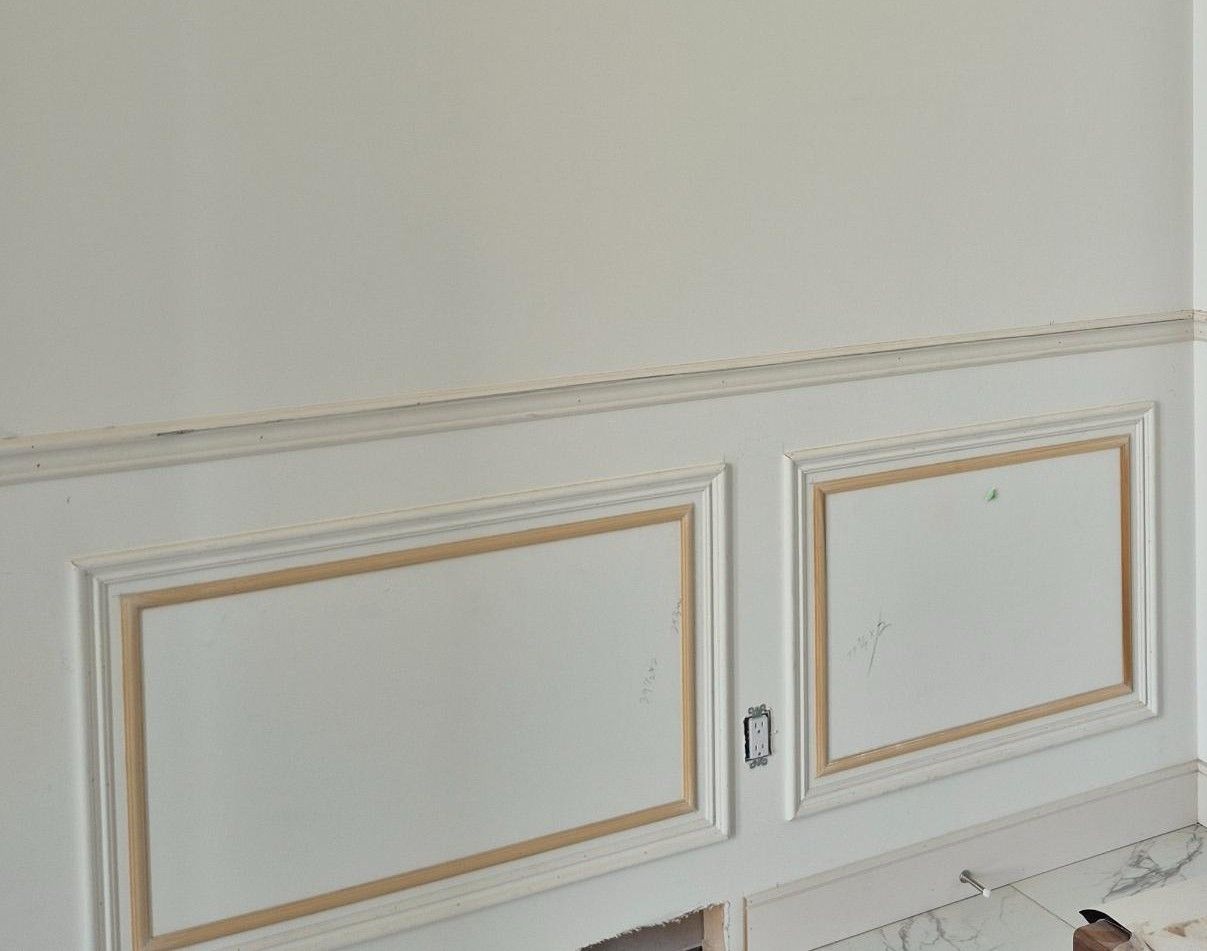
Wainscoting refers to decorative paneling installed on the lower portion of interior walls. It covers one-third of the wall height and follows the classic "rule of thirds". This 18th-century innovation protected walls from damage and provided extra insulation in drafty homes. It also improved the beauty of vintage interiors. Modern wainscoting serves mostly as decoration, yet it gives you both protection and visual appeal that lifts any space.
Wainscoting does more than look good. The architectural detail makes rooms feel complete and purposeful. Saskatoon's climate often forces people to push furniture against walls during winter gatherings. This wall treatment acts as a practical shield against scuffs and dents.
Different types of wainscoting you might have
Here are six main wainscoting styles that create unique looks:
- Raised Panel: Traditional with beveled edges, ideal for formal dining rooms (30-40 inches high)
- Flat Panel: Clean, modern appearance with smooth panels that create depth without beveling
- Beadboard: Features narrow vertical grooves, perfect for cottage-style bathrooms and informal spaces
- Board and Batten: Vertical boards (usually 4-6 inches wide) spaced about 10 inches apart, excellent for contemporary homes
- Overlay: Combines raised and flat panel styles for a deeper, more detailed appearance
- Vinyl Panel: Waterproof PVC option ideal for bathrooms and high-humidity areas
Your room's specific needs determine the material choice. Options range from traditional solid woods like pine, oak, and cherry to budget-friendly MDF or moisture-resistant PVC.
How wainscoting affects home value
A well-installed wainscoting can boost your home's value above its installation cost. Saskatoon buyers love the high-quality craftsmanship look that wainscoting provides. This architectural feature stands out as one of the most cost-effective ways to improve interior beauty and home value.
White painted wainscoting in main living areas gives you the best return on investment. Future homeowners can easily change wall colors above it, creating timeless appeal. Rich stained wainscoting in cherry or oak tones can make your property stand out as more luxurious in competitive markets.
Choosing the Right Paint and Finish
Picking the right paint and finish is crucial to turn your wainscoting from basic to stunning. As Saskatoon's experienced painting contractors, we've seen how smart choices can boost your home's appeal and value.
Should you paint wainscoting the same color as the wall?
Using similar colors for walls and wainscoting creates a modern look that makes your space feel bigger. This works best with different sheens - a satin finish on walls with semi-gloss on wainscoting adds subtle dimension. You might also want to think about using lighter and darker shades of the same color family. This adds depth while keeping everything tied together nicely.
When to go with white vs. bold colors
White wainscoting is a safe bet that fits most interiors. All the same, you can make a bold statement with colors like raspberry pink or robin's egg blue. These work great with complementary wallpaper above. If you're selling your Saskatoon home, classic white wainscoting offers timeless appeal and lets buyers imagine their own wall color choices easily.
Stain or paint: what works best for your space
We used paint to hide wood grain and defects while creating a modern look. Staining shows off the natural wood beauty but needs more careful surface prep. Stained wainscoting looks great in rooms with existing wooden elements, while painted options give you cleaner, brighter results.
Ideas for painting wainscoting in bathrooms and kitchens
Bathrooms and kitchens just need extra attention because of moisture exposure. Semi-gloss or satin finishes are your best bet here since they're durable and easy to clean. Warm neutral tones like Natural Linen or Huntington Beige look fantastic with dark cabinetry. Note that you should prime both sides of panels in bathrooms so they don't warp from humidity changes.
Step-by-Step: How to Paint Wainscoting Like a Pro
Professional-looking wainscoting depends on the actual hands-on process. My experience as a Saskatoon painting contractor has helped me perfect these techniques through hundreds of installations.
Prepping the surface: cleaning and sanding
You should clean the surface with warm soapy water and let it dry. Sand previously painted surfaces that have a semi-gloss or gloss finish, unless you're dealing with lead paint. A 180-220 grit sandpaper works best for peeling paint or bare wood. The surface needs vacuuming and a wipe-down with a microfiber cloth.
Priming for a smooth finish
MDF surfaces need acrylic primer - Fresh Start from Benjamin Moore gives excellent results. It covers well, dries fast and sands smoothly. STIX Waterborne Bonding Primer works best for older homes with previously painted wainscoting because it sticks better.
Best tools and brushes to use
Quality angled brushes and microfiber rollers designed for trim make a big difference. These tools help create that smooth, professional finish you want.
Painting techniques for even coverage
Paint in two-foot sections instead of doing all horizontal pieces first. Short strokes work best for horizontal rails. Follow up with long vertical strokes on grooves right away. This approach prevents drips and creates clean directional finishes.
Painting wainscoting before and after: what to expect
The whole project takes 2-3 days - one day to prep and prime, another to paint. You'll need two coats for full coverage. Your home's interior will look dramatically better with properly painted wainscoting.
Where It Works Best and How to Style It
Wainscoting changes ordinary rooms into showcases of architectural interest. My experience as a Saskatoon painting contractor shows how strategic placement and thoughtful styling can maximize its effect.
Painting wainscoting in living rooms and hallways
Living rooms gain character from wainscoting that complements existing architectural elements. The wainscoting's finish should match fireplace mantels to create cohesive designs. Hallways look elegant when their wainscoting and walls share similar colors, while door frames stand out in contrasting shades. Rich chocolate browns combined with vintage blues add warmth to transitional spaces.
Using wainscoting to define open spaces
Wainscoting does more than just look good - it segments larger areas without physical barriers. A single wall of wainscoting creates a dynamic focal point that works well in Saskatoon's open-concept homes. The technique can outline dining spaces and define home office zones within multipurpose rooms.
How height and proportion affect the look
Traditional wainscoting covers about one-third of wall height. Rooms become more dramatic and less conventional when wainscoting runs two-thirds or three-quarters up the walls. Taller wainscoting (36-48 inches) maintains balanced proportions in rooms with lofty ceilings.
Pairing wainscoting with wallpaper or color blocks
Classic white wainscoting paired with dark patterned wallpaper creates high-contrast sophistication. Color blocking offers another option - use contrasting yet complementary shades between upper walls and wainscoting. Saskatoon's historic homes look authentic with wainscoting and trompe l'oeil architectural wallpaper that boosts their period character.
A Small Change That Makes a Big Impact
Wainscoting stands out as the smartest dollar-for-dollar home improvement investment you'll make. Professional painted wainscoting adds more property value than its installation costs. This renovation ranks among the most cost-effective ways to enhance interior appeal.
Homes with quality wainscoting sell faster and fetch better prices, according to real estate experts. The architectural detail raises visual interest by adding depth, texture, and character that basic walls can't match. A simple installation transforms spaces into custom-built, designer-quality rooms.
Saskatoon homeowners can maximize their returns with these value-adding combinations:
- White wainscoting against deep navy or charcoal walls creates lasting appeal
- Monochromatic designs using different sheens (matte walls with semi-gloss wainscoting) add subtle sophistication
- Bathroom beadboard painted with moisture-resistant semi-gloss finishes
Wainscoting's versatility makes it perfect for formal dining rooms, cozy bedrooms, or practical kitchens. This modest investment delivers significant results in both beauty and value throughout the house. The right color choices paired with wainscoting make it one of the few home improvements that pays for itself while offering immediate visual impact.
Key Takeaways
Transform your home's value and appeal with these essential wainscoting painting insights that deliver maximum impact for minimal investment.
• Proper preparation is crucial: Clean thoroughly, sand glossy surfaces, and use quality primer like Benjamin Moore Fresh Start for professional results that last.
• Strategic color choices maximize impact: White wainscoting offers timeless appeal and broad buyer appeal, while bold colors create dramatic focal points in specific rooms.
• Height and proportion matter: Follow the rule of thirds (one-third wall height) for traditional looks, or go taller (36-48 inches) in rooms with high ceilings.
• Different finishes serve different purposes: Use semi-gloss in bathrooms and kitchens for moisture resistance, while satin works well in living areas for easy cleaning.
• Wainscoting delivers exceptional ROI: This architectural feature often increases property value beyond installation costs and helps homes sell faster in competitive markets.
Beyond esthetics, wainscoting provides practical benefits including wall protection from scuffs and scratches, improved acoustics, and easier maintenance compared to painted walls. The key to success lies in matching the wainscoting style to your home's architecture and choosing finishes appropriate for each room's specific needs.